

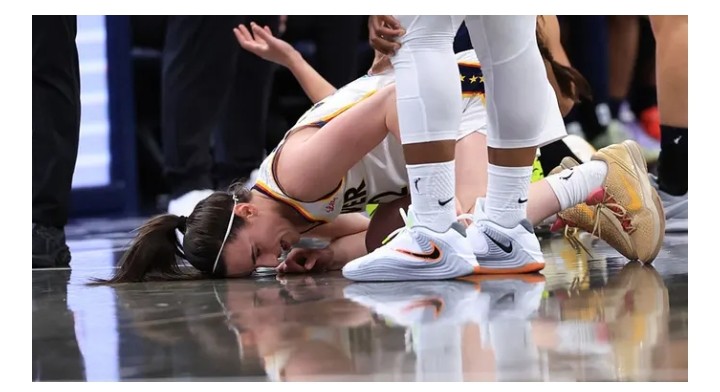
Candace Parker has never been afraid to speak her mind, and this time the three-time WNBA champion didn’t hold anything back. After current WNBA players voted Indiana Fever rookie sensation Caitlin Clark as only the 11th-best guard in the league, Parker delivered a fiery response that immediately sparked debate across the basketball world.
The stunning player poll left many fans scratching their heads. Clark has become one of the league’s biggest attractions, helping drive record television ratings, sold-out arenas, and unprecedented attention for the WNBA. Yet despite her impact, many of her fellow players ranked her outside the league’s top 10 guards, a result Parker believes says more about the voters than it does about Clark.
Speaking about the controversial rankings, Parker suggested that jealousy and personal feelings have clouded the judgment of some players around the league. She didn’t sugarcoat her opinion either, calling out what she described as obvious insecurity among Clark’s peers.
“Y’all need to go to a therapist and figure out what childhood issues you have,” Parker said while discussing the results, delivering one of the strongest public criticisms yet of how Clark has been treated by fellow players.
The comments quickly gained traction because they echoed what many basketball fans have argued throughout Clark’s rookie and sophomore seasons that some players have struggled to embrace the former Iowa superstar’s rapid rise. From hard fouls on the court to heated debates off it, Clark has consistently found herself at the center of conversations surrounding respect, popularity, and recognition.
Clark’s influence on the league has been impossible to ignore. Since entering the WNBA after becoming the NCAA’s all-time leading scorer, she has helped transform the Fever into one of the league’s biggest attractions. Television audiences have surged whenever Indiana plays, ticket demand has skyrocketed, and road arenas have frequently sold out when Clark comes to town.
Despite that impact, criticism has followed her almost every step of the way. Every accomplishment has seemed to spark another debate, whether it’s about media coverage, officiating, physical play, or player recognition. The latest player poll has only added another chapter to that ongoing discussion.
For many observers, ranking Clark as the 11th-best guard appears difficult to reconcile with her production and influence. While player polls are subjective and every athlete is entitled to an opinion, Parker believes personal emotions may have played too large a role in this particular vote.
Parker’s willingness to defend Clark also carries weight because of her own decorated career. A former league MVP, WNBA champion, Finals MVP, and one of the most respected voices in women’s basketball, Parker understands what it takes to earn respect in the league. Her criticism wasn’t directed at Clark’s supporters or media coverage it was aimed squarely at the players she believes allowed resentment to influence their voting.
The debate also highlights the unique position Clark occupies in today’s WNBA. She has become both the league’s biggest star and one of its most polarizing figures. Every ranking, award, and honor involving Clark now receives intense scrutiny from fans, analysts, and former players alike.
Supporters argue that Clark’s numbers, playmaking ability, long-range shooting, and overall impact deserve far more respect from her peers. Critics, meanwhile, believe that experience and sustained success should still matter when evaluating the league’s best guards. That difference in opinion has fueled countless conversations throughout the season.
Still, Parker’s remarks have shifted attention away from Clark’s on-court performance and toward the mindset behind the voting itself. Rather than questioning Clark’s talent, Parker questioned whether some players are allowing envy to shape their opinions, suggesting that personal frustrations not basketball may explain such a surprising ranking.
Whether fans agree with Parker or not, her comments have reignited one of the WNBA’s biggest storylines. As Clark continues to build her career and attract new audiences to women’s basketball, every achievement and every perceived slight seems destined to generate another wave of headlines.
One thing is certain: Candace Parker’s blunt response has ensured that the conversation won’t end with a player poll. Instead, it has opened an even larger debate about respect, recognition, and whether personal feelings are preventing one of the game’s brightest young stars from receiving the credit many believe she has already earned.
