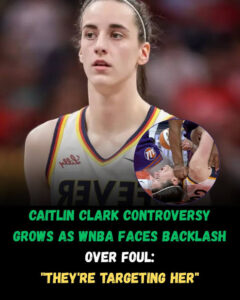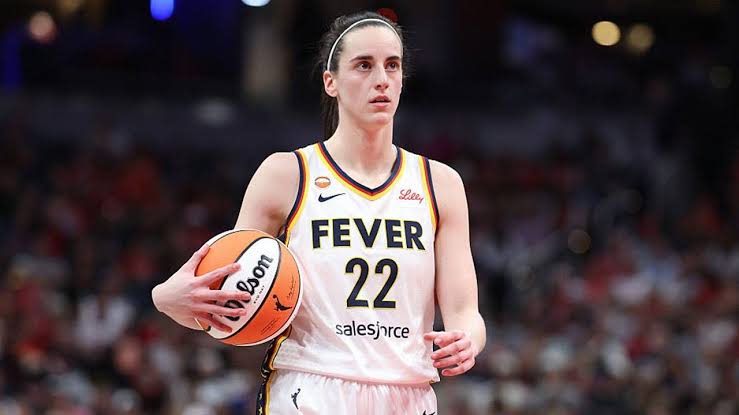
The debate over how the WNBA protects its biggest stars has reached a new level and this time, it has moved beyond basketball. A group of U.S. lawmakers, including Iowa Representative Zach Nunn, is now demanding answers from the league after a series of physical incidents involving Indiana Fever superstar Caitlin Clark, arguing that player safety must become a top priority before another controversy unfolds.
The bipartisan spotlight isn’t on a single hard foul. Instead, lawmakers pointed to a pattern of plays involving Clark this season, including being hip-checked, poked in the eye and struck in the throat during games. Their letter, led by Republican Study Committee Chairman Rep. August Pfluger of Texas and signed by Nunn along with 10 other members of Congress, asks WNBA Commissioner Cathy Engelbert to explain exactly how the league plans to protect players from excessive physical play both on and off the court.
For Iowa’s Zach Nunn, the issue is also personal. Clark grew up in West Des Moines before becoming one of the most decorated players in college basketball history at Iowa and later transforming the Indiana Fever into one of the WNBA’s biggest attractions. Nunn praised Clark’s impact on women’s sports while insisting she deserves the chance to compete without repeatedly becoming the target of dangerous contact.
“Caitlin Clark is one of West Des Moines’ own, and she’s a hero to millions of young girls including my daughters,” Nunn said. “She carried women’s basketball to new heights, and she’s earned the right to compete without being unfairly punched, shoved, and targeted.”
The latest controversy stems from the Fever’s June 24 matchup against the Phoenix Mercury. During a loose-ball sequence, Mercury forward Alyssa Thomas made contact with Clark’s throat. Officials did not call a foul during the game, but after league review, the WNBA upgraded the play to a Flagrant 2 foul and suspended Thomas for one game. The incident reignited criticism over whether officials are doing enough to protect the league’s most recognizable stars.

Clark herself didn’t stay silent after returning from injury. She acknowledged that referees face one of the toughest jobs in sports but added that the league needs to improve how it protects players.
“I did think it was a flagrant foul,” Clark said. “Our refereeing just needs to be better… I think the league’s just got to do a better job protecting the people in this league.”
The lawmakers’ letter argues those incidents are no longer isolated examples of physical basketball. Instead, they describe what they call “repeated acts of unnecessary physical hostility and violence” directed toward Clark. The representatives also questioned whether the WNBA’s disciplinary process is consistent enough when dangerous plays occur.
Among the questions submitted to Commissioner Engelbert are how the league reviews excessive contact, how it disciplines players for dangerous conduct, what measures exist to protect athletes from repeated targeting, and how it handles online harassment that often follows high-profile incidents. The group requested a formal response from the league by July 24.
The letter also ventured into more controversial territory by raising concerns over reports suggesting some of the attacks against Clark “may be racially motivated.” The lawmakers argued that if discrimination or retaliation were creating a hostile work environment, federal agencies could potentially investigate. That portion of the letter has generated significant debate across the sports world.
Not everyone inside the basketball community agrees with that interpretation. Many WNBA players and observers have argued that physical play has always been part of professional basketball, especially for elite stars who attract extra defensive attention. Clark herself has consistently avoided fueling those broader narratives and has instead emphasized improving officiating while condemning hateful online behavior.
Following the incident involving Thomas, the Mercury veteran and her family reportedly received racist abuse and death threats online. Clark publicly denounced those attacks, making it clear that no player should experience racism or harassment regardless of what happens during a game.
“It’s definitely upsetting,” Clark previously said regarding online abuse. “Nobody in our league should be facing any sort of racism, hurtful, disrespectful, hateful comments and threats.”
The Indiana Fever also responded after news of the congressional letter became public. The organization said neither Clark nor the franchise had been involved in discussions with the lawmakers before the letter was sent. However, the team reiterated that player safety remains a priority and pledged to continue working with the league to maintain high standards across the WNBA.
Clark’s importance to the league makes the conversation difficult to ignore. According to figures cited by Rep. Nunn’s office, Clark averages 6.7 fouls drawn per game—fourth-most in the WNBA this season. Nunn’s office also referenced research estimating that Clark has contributed nearly 26.5% of the league’s total economic activity through television ratings, ticket sales, merchandise and sponsorship growth.
Whether the WNBA changes its officiating standards remains to be seen, but the pressure is clearly increasing. What began as debates over hard fouls and missed whistles has now reached Capitol Hill, placing Commissioner Cathy Engelbert under growing scrutiny from both basketball fans and elected officials.
As the Fever continue their season with Clark leading one of the league’s most-watched teams, attention will remain fixed on how the WNBA responds not only to Congress’ questions but also to ongoing concerns about balancing the game’s physical nature with protecting its brightest stars. The league’s response by the requested July 24 deadline could shape the next chapter in one of the WNBA’s most closely watched controversies.