

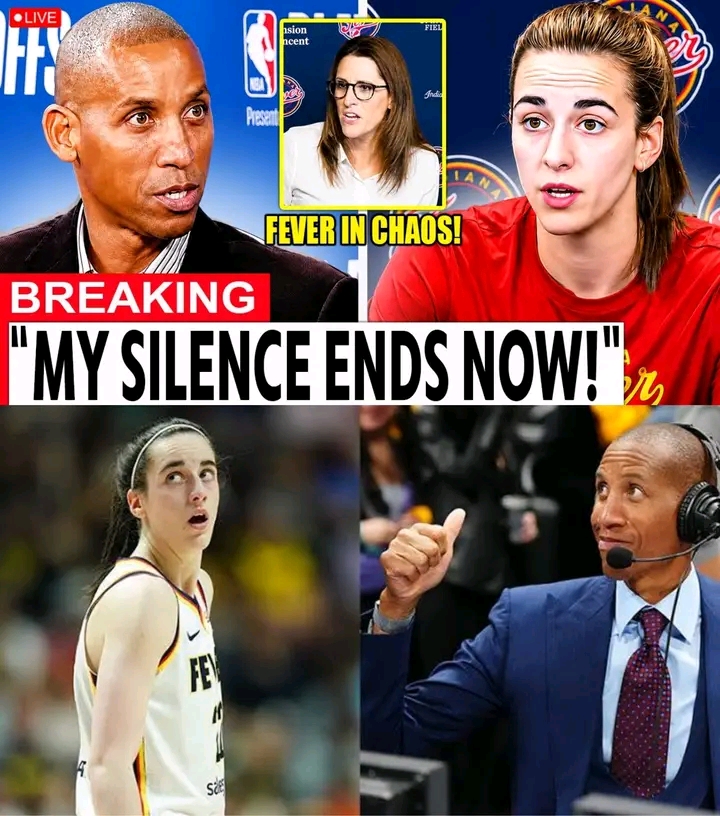
The conversation surrounding Caitlin Clark has reached another level after NBA Hall of Famer Reggie Miller publicly weighed in on how the Indiana Fever superstar has been treated during her WNBA career. His comments have added fuel to an already heated debate over whether the league has done enough to protect its biggest attraction while embracing the unprecedented attention Clark has brought to women’s basketball.
Clark’s arrival in the WNBA has transformed the league’s visibility unlike any rookie before her. Television ratings have surged, arenas have consistently sold out, and national broadcasts now feature the Fever in prime viewing slots. Her games have become some of the league’s highest-rated events, making the former Iowa star the central figure in one of the biggest growth periods in WNBA history.
That rapid rise has also brought intense physical play and constant scrutiny. Throughout her first two professional seasons, Clark has frequently been on the receiving end of hard fouls that have sparked widespread discussion among fans, analysts, and former NBA players. While league officials have disciplined some incidents, critics continue to argue that more should be done to discourage unnecessary physical targeting.
Reggie Miller recently joined that growing list of former NBA stars expressing concern. During a discussion about Clark’s treatment on the court, the Hall of Fame sharpshooter suggested she should not hesitate to stand up for herself if officials fail to consistently protect her. His remarks quickly became one of the most talked-about basketball topics online, with supporters viewing his comments as frustration over repeated physical play rather than an endorsement of unnecessary retaliation.
Miller is hardly alone in voicing his opinion. Charles Barkley, Magic Johnson, Kevin Garnett, George Gervin, Robert Horry and Jeff Teague have all publicly discussed Clark’s impact on the WNBA over the past year, although each has approached the subject from a different perspective.
One of the biggest arguments centers on Clark’s influence beyond the box score. Many former players believe her arrival has accelerated the league’s commercial growth through increased television audiences, stronger ticket sales and greater national exposure. Several have argued that those developments have benefited every franchise, regardless of where Clark plays.
Jeff Teague, for example, has repeatedly pointed to Clark’s drawing power as a major reason casual sports fans have started following the WNBA more closely. George Gervin echoed similar thoughts, saying the league’s financial momentum has been boosted by Clark’s popularity and the attention she generates whenever she steps onto the court.
Another recurring topic has been player safety. Critics often reference the hard fouls Clark has absorbed throughout her professional career, arguing that officials should consistently enforce rules designed to protect all players equally. That debate intensified after several highly publicized physical incidents earlier in the season, prompting renewed calls for stricter officiating.
Robert Horry also challenged the long-standing belief that rookies must simply endure rough treatment while earning respect from veterans. Instead, he argued that Clark’s immediate impact on the league means discussions should focus more on protecting star players than preserving outdated traditions.
Beyond the basketball court, Clark’s rise has also sparked broader conversations about media attention, marketing and representation within the sport. Some commentators, including former NBA player Matt Barnes, have acknowledged that race has become part of the public conversation surrounding Clark’s popularity. Others disagree, arguing that basketball performance and marketability should remain the primary focus.
Comparisons to Tiger Woods have also become increasingly common. Basketball legends including Charles Barkley and Isiah Thomas have likened Clark’s arrival to Woods’ transformational impact on golf, noting how one athlete can dramatically expand television audiences, sponsorship opportunities and mainstream interest in an entire sport.
Kevin Garnett offered another perspective, suggesting that the attention surrounding Clark reflects the pressure that often accompanies athletes capable of changing a league’s trajectory. Rather than viewing the criticism as unusual, Garnett described it as something many transformational sports figures eventually experience.
The broader debate has also turned toward WNBA leadership. Some analysts believe league executives should place greater emphasis on promoting their most recognizable stars while ensuring games remain competitive and safe. Others argue the WNBA has already taken meaningful steps to improve officiating and expand the league’s overall visibility.
What remains undisputed is Clark’s impact on professional women’s basketball. Few rookies in any sport have generated this level of national discussion while simultaneously helping reshape television ratings, attendance figures and media attention.
As more Hall of Fame voices continue joining the conversation, the debate surrounding Caitlin Clark’s treatment and the WNBA’s future direction shows no signs of slowing down. Whether fans agree with Reggie Miller or not, his comments have once again placed the spotlight firmly on how the league balances physical competition, player protection and the remarkable popularity of one of basketball’s brightest stars.
