

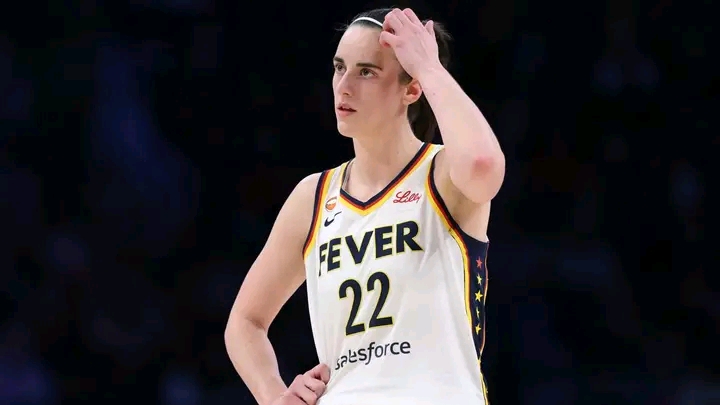
After more than a week away from the media spotlight, Caitlin Clark finally stepped in front of reporters and she didn’t hold back.
The Indiana Fever superstar addressed the ongoing controversy surrounding the physical incident involving Alyssa Thomas, league officiating, and the increasingly toxic conversation dominating WNBA headlines. What followed wasn’t just another press conference. It was one of Clark’s most direct and revealing media sessions yet.
For the first time since taking a hard hit to the throat during Indiana’s heated matchup with the Phoenix Mercury, Clark openly acknowledged what many fans had been debating nonstop: she believed the play warranted a flagrant foul.
“I did think it was a flagrant foul,” Clark said bluntly.
That simple statement immediately sent shockwaves through the basketball world.
Clark’s remarks ended days of speculation after the controversial play became one of the most discussed moments in the WNBA this season. The collision sparked intense debate across sports media, social platforms, and fan communities, with many questioning whether the league is doing enough to protect its biggest stars.
But Clark wasn’t interested in feeding outrage.
Instead, she shifted the focus toward something bigger player safety and accountability.
“I think the league’s got to do better protecting players,” Clark said. “I don’t really think it was up for debate.”
That statement may prove to be the biggest takeaway from her appearance.
Clark carefully avoided turning the discussion into a personal attack on referees. In fact, she went out of her way to acknowledge how difficult officiating can be.
“Refs are in a really difficult spot,” she explained. “It’s one of the hardest jobs in the world. All you do is get yelled at by everybody.”
Still, the 24-year-old made it clear that respect for referees shouldn’t stop the league from improving.
She specifically pointed to officiating standards, replay systems, and overall player protection as areas where the WNBA needs to evolve.
And that’s where the conversation became bigger than one foul.
Clark suggested the incident reflects a broader issue that has lingered for years.
“This has been a discussion for like three years now,” she noted.
That line stood out because it implied the problem isn’t isolated to one game, one player, or one team. Instead, Clark hinted at systemic frustrations many players have quietly carried for years.
What makes her comments even more significant is the timing.
Clark remains the face of a massive surge in women’s basketball popularity. Since entering the WNBA, television ratings, ticket demand, and merchandise sales have skyrocketed. Her arrival helped push the league into unprecedented mainstream visibility.
Yet with that popularity has come relentless scrutiny.
Every hard foul becomes national news. Every sideline exchange becomes viral content. Every comment gets dissected.
Clark addressed that reality head-on.
She expressed frustration with how media narratives often overshadow actual basketball.
Rather than focusing on strategy, team development, or performance, too much coverage has centered on drama, controversy, and conflict.
That frustration was evident in her tone.
Clark essentially argued that sensationalism is becoming harmful not just for her, but for the entire league.
She warned that the constant obsession with controversy creates a distorted picture of what’s really happening inside the WNBA.
That point matters.
The Fever have spent much of the season battling both on-court challenges and off-court distractions. Rumors, criticism, and nonstop headlines have followed the franchise for weeks. Clark has repeatedly found herself at the center of those narratives, whether she wanted it or not.
And this latest controversy only intensified that spotlight.
Meanwhile, Thomas also spoke publicly after the incident and revealed she received death threats something she strongly condemned. The WNBA later released a statement denouncing hate and harassment directed at players.
Clark addressed that aspect too.
She made it clear there is no place for hate in sports.
That part of her message may have been the most important.
In an era where sports debates quickly become personal and toxic online, Clark attempted to reset the conversation. She pushed for criticism without cruelty, debate without harassment, and passion without abuse.
That’s a difficult balance in modern sports culture.
Especially when you’re the most talked-about player in the league.
Clark knows every move she makes carries outsized attention.
She also knows that attention cuts both ways.
It grows the sport.
But it can also distort reality.
That’s why her decision to speak now feels significant.
She could have kept things vague. She could have avoided controversy altogether. Instead, she delivered a measured but firm message: improve officiating, protect players, and stop turning every moment into a media circus.
That balance may explain why Clark continues to command such massive attention.
She rarely speaks recklessly.
When she does speak, people listen.
And fans certainly listened this time.
Her comments have already reignited debate over officiating standards, replay review, and the league’s handling of physical play.
Some believe Clark is simply asking for fair protection under the rules.
Others argue physicality has always been part of professional basketball.
That debate won’t disappear anytime soon.
But one thing became undeniable after Clark’s media session.
She’s no longer staying silent while narratives spiral around her.
That could be a major turning point for both Clark and the Fever.
As Indiana continues its season, the spotlight isn’t fading. If anything, it’s growing brighter.
And now, Clark appears ready to meet that pressure head-on.
Her week-long silence created anticipation.
Her return created headlines.
But her message may create lasting change.
The WNBA has never had more eyes on it.
The question now is whether the league will respond to the concerns voiced by its biggest star.
If Clark’s words spark meaningful improvements in officiating and player safety, this press conference may be remembered as more than just a media appearance.
It may be remembered as the moment one of basketball’s brightest stars forced an uncomfortable but necessary conversation.
And judging by the reaction, that conversation is only getting started.
