

The timing couldn’t have been more shocking and for Iowa fans, more revealing. Just as momentum from a stunning NCAA Tournament run seemed ready to carry into next season, a major roster shake-up has quietly begun behind the scenes. And now, with one key departure already confirmed, the real question is: what exactly will the Hawkeyes look like when they take the floor in 2026–27?
The biggest headline so far is the departure of breakout forward Alvaro Folgueiras, who announced he’s entering the transfer portal shortly after Iowa’s impressive Elite Eight run. His exit leaves a noticeable gap in the frontcourt, especially after he emerged as one of the team’s most impactful players during March Madness. For a team that leaned heavily on late-season chemistry and timely performances, replacing that production won’t be simple.
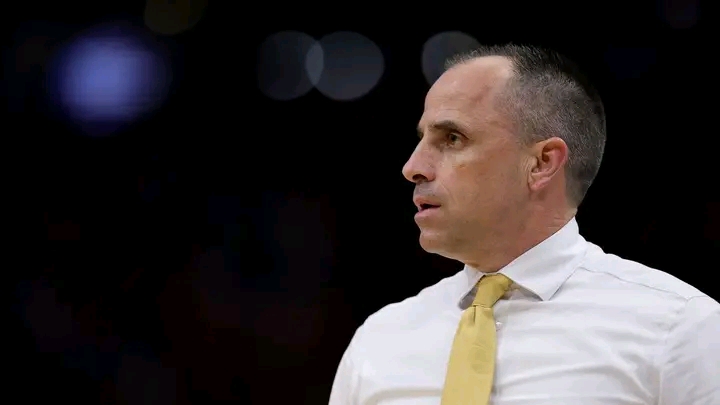
Head coach Ben McCollum, however, isn’t standing still. Fresh off a tournament run that exceeded expectations, the program is actively working the transfer portal, hosting multiple visitors as it looks to rebuild and strengthen key areas. The current roster sits at 12 of the 15 allowed scholarship spots, leaving room for strategic additions that could define Iowa’s ceiling next season.
At point guard, the situation is as thin as it gets. The Hawkeyes currently have just one true point guard on the roster: freshman Peyton McCollum. While his arrival brings intrigue especially given the coaching connection relying on a freshman alone at such a critical position is risky. Expect Iowa to aggressively target an experienced ball-handler in the portal to stabilize the offense and provide leadership in high-pressure moments.
The shooting guard position offers a bit more stability, though questions remain about consistency. Senior Kael Combs returns with valuable experience, while junior Jacob Koch adds depth and versatility. Both players will be expected to shoulder more offensive responsibility, particularly if Iowa doesn’t land a high-scoring transfer in the backcourt. Their development over the offseason could quietly determine how dangerous this team becomes from the perimeter.
On the wing, Iowa appears relatively balanced, at least on paper. Junior Isaia Howard leads the group, bringing a mix of athleticism and scoring ability that flashed at times last season. Sophomore Tate Sage and incoming freshman Jaidyn Coon round out the position, giving the Hawkeyes a blend of youth and upside. Still, consistency will be the key. If this group can stretch the floor and defend multiple positions, it could become one of Iowa’s strengths.
The power forward spot is where things start to get crowded but also uncertain. Sophomores Cooper Koch and Joey Matteoni return, both looking to take a step forward after limited but promising minutes. They’re joined by freshmen Trey Thompson and Ethan Harris, who add size and potential but remain largely unproven at the college level. With four players at the position, internal competition will be fierce, and McCollum will need to quickly identify who can deliver reliable production.
At center, Iowa has a more defined structure. Senior Cam Manyawu anchors the position with experience and physical presence, while sophomore Trevin Jirak provides depth and developmental upside. This duo gives the Hawkeyes a solid foundation in the paint, though the loss of Folgueiras still looms large in terms of overall frontcourt impact. Rebounding, rim protection, and interior scoring will all be areas to monitor closely.
In total, Iowa’s current roster composition reveals both promise and vulnerability. With 12 scholarship players already in place, the framework of the team is set but it’s far from complete. The remaining three spots will be crucial, particularly if McCollum can land transfers who bring immediate production and veteran leadership.
What makes this offseason especially fascinating is the context surrounding it. Iowa isn’t rebuilding from failure it’s recalibrating after success. The Elite Eight run didn’t just boost morale; it elevated expectations. Players around the country have taken notice, and that visibility could pay dividends in the transfer market.
Still, success in March doesn’t guarantee stability in April. The modern college basketball landscape is defined by constant movement, and Iowa is no exception. Losing a player like Folgueiras underscores how quickly things can change, even after a deep tournament run.
There’s also the question of identity. Last season’s team found its rhythm late, combining defensive intensity with timely scoring bursts. Replicating that formula will depend heavily on how the new pieces fit together. Will Iowa lean more into youth and development, or will it prioritize experienced transfers who can contribute immediately?
McCollum’s approach over the coming weeks will offer important clues. His ability to evaluate talent, manage rotations, and build chemistry will be tested as he reshapes the roster. Every addition and every missed opportunity will carry weight.
For now, the Hawkeyes remain a team in transition, caught between the momentum of a breakthrough season and the uncertainty of roster turnover. The foundation is there, but the final product is still taking shape.
And that’s what makes this moment so compelling.
Because somewhere between the departures, the incoming freshmen, and the yet-to-be-announced transfers, the next version of Iowa basketball is quietly being built. Whether it rises to meet expectations or falls short will depend on decisions being made right now, far from the spotlight.
One thing is certain: the story of Iowa’s 2026–27 season has already begun. And if the early twists are any indication, it’s going to be anything but predictable.
