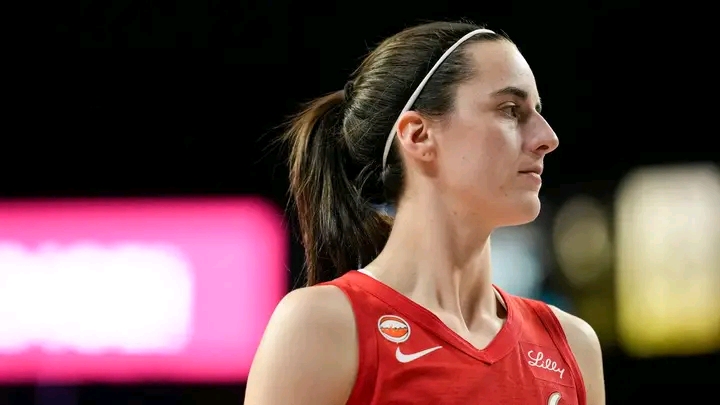
Chelsea Gray’s decision to publicly reveal some of the abusive direct messages she receives has reignited a conversation that stretches far beyond basketball. While criticism has always been part of professional sports, many fans are now asking where the line should be drawn—and what some of the WNBA’s biggest stars are forced to deal with every day away from the spotlight.
The conversation intensified after social media users reacted to Gray’s decision to speak openly about the messages sent to her inbox. One widely shared post argued that if Indiana Fever star Caitlin Clark ever decided to publish the messages she receives after every game, the reaction would be enormous. The same discussion also mentioned Angel Reese and Sophie Cunningham, suggesting that all three likely face similar abuse from a small but vocal section of basketball fans.
Gray’s decision to speak publicly wasn’t viewed simply as an isolated incident. Instead, it highlighted a growing concern surrounding online harassment directed at professional athletes. Whether players have standout performances or difficult nights on the court, many find themselves targeted with insults, threats and abusive messages from anonymous accounts once games end.
The issue has become increasingly visible as social media continues to blur the line between athletes and fans. Platforms that allow supporters to connect directly with their favorite players have also opened the door for individuals to send hateful messages privately, often without consequences. For many athletes, direct messages have become another part of the pressure that comes with competing at the highest level.
One social media post that quickly gained attention praised Gray for bringing the issue into the open. The post argued that every athlete deserves respect regardless of personal opinions or team loyalties. It also questioned why discussions about online abuse often become selective, suggesting the conversation should include every player affected rather than focusing on only certain individuals.
Caitlin Clark has been one of the most talked-about athletes in basketball over the past two years. Every game she plays generates enormous attention across television, social media and sports news outlets. With that visibility comes overwhelming support from millions of fans but also criticism and negativity from others.
Angel Reese has experienced similar scrutiny throughout her college and professional career. From championship celebrations to on-court rivalries, Reese has regularly found herself at the center of heated online debates. While passionate sports discussion is nothing new, many observers believe personal attacks and threatening messages cross a line that should never be accepted.
Sophie Cunningham has also been no stranger to strong public reactions. Known for her physical style of play and competitive personality, Cunningham often becomes a talking point after high-profile matchups. As with many professional athletes, those discussions can sometimes spill into private messages that go far beyond normal basketball criticism.
Supporters across social media argue that Gray’s willingness to share her experience could encourage broader conversations about athlete safety and mental well-being. Many believe that abusive direct messages shouldn’t be dismissed as simply “part of the job,” especially when they contain threats or personal attacks unrelated to the game itself.
Professional athletes routinely accept criticism of their performances. Missed shots, turnovers and coaching decisions naturally become part of public debate. However, many fans and commentators argue there is a significant difference between analyzing a player’s performance and sending abusive messages directly to that player after a game.
The broader discussion isn’t about comparing which athlete receives the worst treatment. Instead, many believe the focus should remain on creating an environment where every player regardless of popularity, race, team or public profile can compete without becoming the target of harassment behind the scenes.
Gray’s decision to speak publicly has therefore become larger than one player’s experience. It has sparked renewed attention on how social media can affect athletes long after the final buzzer sounds and whether leagues, platforms and fans all share responsibility for creating healthier online spaces.
While no one can know exactly what appears inside another athlete’s inbox unless those messages are shared, the discussion surrounding Gray has prompted many supporters to reflect on the reality facing today’s stars. Whether it’s Chelsea Gray, Caitlin Clark, Angel Reese, Sophie Cunningham or countless other professional athletes, one message continues to emerge from the conversation: fierce competition belongs on the court, but respect should remain part of the game once it ends.