IOWA — Thousands of Iowans are expected to hit the rivers this Memorial Day weekend, but state officials are warning that what looks calm on the surface could turn deadly within seconds. Following days of heavy rain across much of the state, the Iowa Department of Natural Resources (DNR) says rivers are now hiding dangerous obstacles capable of trapping paddlers, flipping boats, and pulling people underwater.
The warning comes after significant rainfall swept across Iowa on Sunday, causing river levels to rise rapidly and increasing the threat of hidden debris piles known as “strainers.” According to Iowa DNR river programs outreach coordinator Todd Robertson, these hazards are among the most dangerous conditions boaters and paddlers can encounter on the water.
And officials aren’t sugarcoating the risk.
“There is no safe way through a strainer,” Robertson warned while explaining the dangers facing kayakers, canoeists, and recreational boaters this weekend. “If you can’t paddle around it, stop your boat, get out of the water, and walk around the blockage.”
That message has become especially urgent as families across Iowa prepare for one of the busiest outdoor weekends of the year. With warmer temperatures arriving and rivers drawing more recreational traffic, DNR officials fear many inexperienced paddlers may underestimate just how dangerous fast-moving water can become after storms.
The biggest concern right now is the buildup of tree limbs, logs, and debris that heavy rain pushes into rivers and streams. Those piles can quickly create strainers obstacles that allow water to pass through while trapping anything else caught in the current.
Robertson used a blunt but powerful comparison to describe the danger.
“It’s like a spaghetti strainer in the sink,” he explained. “You have a pot full of noodles and water, and when you pour it into the strainer, the water goes through but the noodles get stuck. That’s what happens to a body and a boat if you get pulled into one of those piles of wood.”
For experienced paddlers, the warning hits home immediately. River currents can appear manageable from a distance, but once a kayak or canoe gets too close to a strainer, the force of the water can pin both the vessel and rider against the debris in seconds. Escaping often becomes nearly impossible.
The Iowa DNR says the safest option after heavy rainfall is patience.
“If you’re going to go paddling after a heavy rain, wait a couple days for the level to go down and the debris to settle,” Robertson advised.
That recommendation could save lives this holiday weekend, especially with Iowa’s rivers expected to attract large crowds of recreational users looking to take advantage of the long weekend.
But strainers aren’t the only threat officials are watching closely.
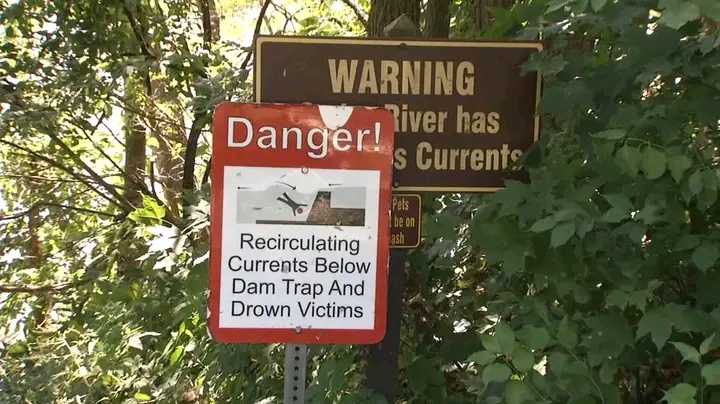
The DNR is also warning boaters about low-head dams structures that may look harmless but have earned a deadly reputation across the Midwest. Unlike larger dams that are clearly visible from a distance, low-head dams can remain hidden until paddlers are dangerously close.
And once someone gets caught in the circulating current beneath one, survival becomes extremely difficult.
The dangerous hydraulic effect created by low-head dams can continuously pull swimmers, kayakers, and boaters back underwater. Safety officials often refer to them as “drowning machines” because of how difficult it is to escape once trapped.
According to the Iowa DNR, warning signs are usually posted ahead of these areas, but officials say boaters still need to stay alert and constantly scan the river ahead.
Another major concern this weekend is life jacket use.
Robertson stressed that wearing a life jacket at all times isn’t just smart it’s required by law in many situations and dramatically increases survival chances if someone is swept into fast-moving water.
“You gotta wear the thing for it to work,” Robertson said. “It keeps you buoyant and your head above water.”
That reminder comes as safety officials nationwide continue reporting preventable boating deaths linked to people not wearing flotation devices. In many river accidents, victims either had life jackets stored in the boat or weren’t wearing them correctly when emergencies happened.
The DNR hopes its warning doesn’t discourage people from exploring Iowa’s waterways altogether. In fact, officials say the state’s nearly 18,000 miles of streams and rivers remain one of Iowa’s greatest outdoor attractions.
The message, they insist, is about preparation and awareness not fear.
“Rivers are not an amusement park,” Robertson said. “You have to use common sense and provide safety for yourself and others. You can go out and have a good time, but think about stuff before you do.”
For longtime paddlers, that advice resonates deeply.
Conditions on rivers can change fast, especially after storms. A route that felt easy and safe a week ago may now contain submerged debris, stronger currents, or completely blocked passages. Even experienced kayakers often scout unfamiliar sections of river before launching after heavy rain events.
The Iowa DNR is encouraging anyone planning a river trip this weekend to use its interactive online river map before heading out. The tool allows users to monitor water levels, identify hazards, plan routes, and locate nearby boat rental services.
Safety experts say checking river conditions beforehand can make a major difference, particularly for families or first-time paddlers unfamiliar with Iowa waterways.
And while Memorial Day weekend is traditionally associated with fun, relaxation, and outdoor adventure, officials hope boaters understand that rivers demand respect especially this year.
Because beneath the surface of Iowa’s swollen waterways, dangerous currents and hidden debris may already be waiting for the next unsuspecting paddler.