

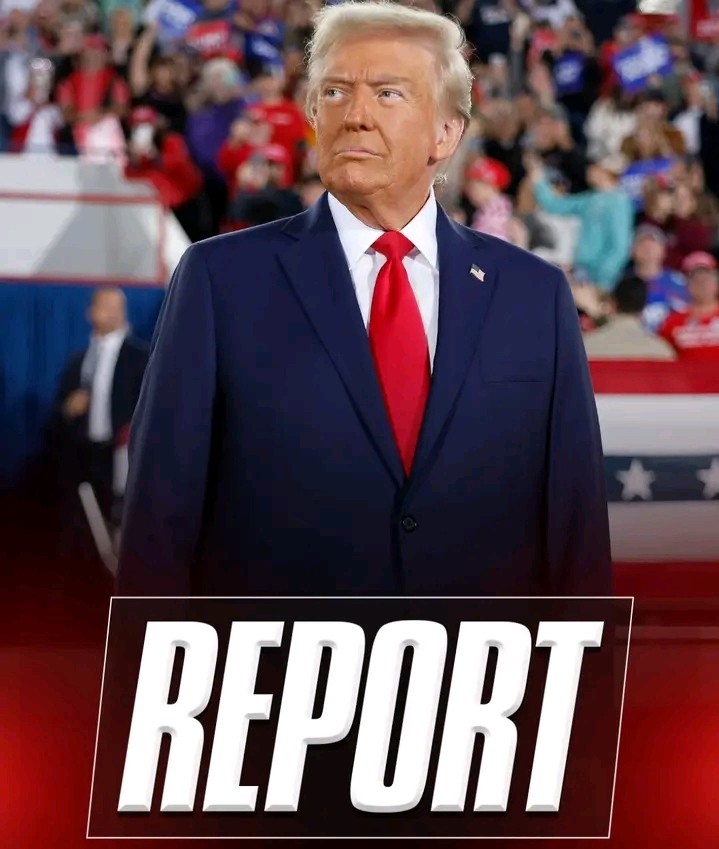
BREAKING: Sweeping College Sports Overhaul Signed Into Law—New Rules on Eligibility, Transfers, and Federal Funding Set to Reshape NCAA Landscape
In a move that could redefine the structure of college athletics for years to come, Donald Trump signed a far-reaching executive order on April 3, 2026, targeting some of the most debated issues in the modern era of collegiate sports: athlete eligibility, transfer freedom, and institutional accountability.
The order introduces three major policy shifts that are already sending shockwaves through athletic departments, locker rooms, and recruiting pipelines across the country. At its core, the directive aims to impose stricter limits on how long athletes can compete, how often they can transfer schools, and how universities must comply or risk losing federal funding.
The implications are immediate, and in some cases, controversial.

A Hard Cap on Playing Time: “Five Seasons in Five Years”
The first and perhaps most impactful rule establishes a firm boundary on athlete eligibility: college athletes will now be limited to a maximum of five seasons of competition within a five-year window.
At first glance, that may seem like a technical clarification. But in reality, it directly addresses a growing trend in college sports extended eligibility through redshirts, medical waivers, and pandemic-related exceptions.
Over the past several seasons, it’s become increasingly common to see athletes competing well into what would traditionally be their sixth or even seventh year in college. Quarterbacks in college football, for instance, have started seasons at age 24 or 25, bringing experience levels that blur the line between amateur and professional play.
Under this new rule, that era is effectively over.
A player who enrolls in 2026, for example, will have until 2031 to complete all five seasons of eligibility no extensions beyond that window. Medical redshirts and hardship waivers may still exist in limited forms, but they will no longer push an athlete beyond the five-year cap.
For coaches, that changes roster construction overnight.
For athletes, it raises the stakes of every season.
Transfer Portal Tightened: One Move Or Sit Out
The second provision directly targets the explosive growth of the transfer portal, which has transformed college sports into a fast-moving marketplace of player movement.
Under the new executive order, athletes will be permitted only one transfer before graduation without penalty. Any additional transfer will require the athlete to sit out a full competitive season before becoming eligible again.
That’s a dramatic shift from the current environment, where players can transfer multiple times with immediate eligibility, thanks to recent NCAA rule changes and waivers.
In sports like basketball and football, the transfer portal has become a central part of roster building. Coaches routinely lose and gain double-digit players in a single offseason. Some athletes have transferred two or even three times before completing their college careers.
This rule aims to slow that movement and restore a sense of continuity.
But it also introduces new dilemmas.
Imagine a sophomore guard who transfers once to find more playing time, only to face coaching changes or system mismatches at the new school. Under the new rule, a second transfer would mean sacrificing an entire season of competition.
That’s not a small decision.
It’s a career-defining one.
Federal Funding on the Line
The third provision may be the most consequential for universities themselves.
Schools that violate these new regulations risk losing federal funding.
That’s not a symbolic threat. For many institutions, federal funding supports research programs, infrastructure development, student aid, and academic initiatives that extend far beyond athletics.
By tying compliance in college sports to federal financial support, the executive order introduces a level of enforcement that the NCAA has historically struggled to achieve on its own.
In the past, penalties for violations such as scholarship reductions or postseason bans were handled internally by the NCAA. Now, the stakes extend into the financial backbone of universities.
Athletic directors are already scrambling to interpret the policy and ensure compliance systems are in place.
Because the margin for error just got smaller.
Why Now?
The timing of the executive order is no coincidence.
College athletics has been in a state of rapid transformation, driven by three major forces: Name, Image, and Likeness (NIL) deals, the transfer portal, and expanded eligibility rules following the COVID-19 pandemic.
Together, these changes have created unprecedented freedom for athletes but also unprecedented instability for programs.
Coaches have voiced concerns about roster unpredictability. Administrators have raised questions about competitive balance. And fans have struggled to keep track of constantly shifting lineups.
This executive order appears to be an attempt to bring structure back to a system many believe has become too fluid.
Still, not everyone agrees with that approach.
Coaches React: “This Changes Everything”
Within hours of the announcement, reactions began pouring in from across the college sports world.
One Power Five football coach, speaking anonymously due to the sensitivity of the issue, put it bluntly:
“Roster management just became a completely different game. You can’t rely on the portal the same way anymore. Every decision has to be long-term now.”
In college basketball, where player movement has been especially pronounced, the impact could be even more immediate.
Programs that leaned heavily on transfers to rebuild quickly may need to pivot back toward high school recruiting and player development.
That’s not necessarily a bad thing but it’s a major adjustment.
Athletes Face New Realities
For athletes, the new rules introduce both clarity and pressure.
On one hand, the five-year window provides a defined timeline. On the other, it removes the safety nets that many players have relied on in recent years.
A torn ACL. A coaching change. A bad fit.
These are realities of college sports. But under the new system, recovering from them becomes more complicated.
The transfer restriction, in particular, forces athletes to think carefully about their decisions. The days of “trying out” multiple programs may be coming to an end.
Now, every move counts.
Legal and NCAA Questions
One major question remains: how will the NCAA respond?
The NCAA has historically governed eligibility and transfer rules, but this executive order introduces federal oversight into an area that has largely been self-regulated.
Legal experts are already debating how the order will interact with existing NCAA policies and whether challenges could emerge.
Some argue that federal involvement could bring consistency and enforcement power. Others warn it may create conflicts between government authority and organizational autonomy.
Either way, the relationship between the NCAA and federal government just entered a new phase.
What Happens Next?
Implementation details are expected to roll out in the coming weeks, with schools seeking guidance on timelines, compliance requirements, and potential exceptions.
Recruiting strategies will shift. Transfer decisions will be reevaluated. And athletes currently in the system will need to understand how these rules apply to them moving forward.
One thing is certain: college sports won’t look the same.
The Bigger Picture
This executive order isn’t just about rules it’s about identity.
What is college athletics supposed to be?
A developmental system?
A professional pipeline?
A hybrid of both?
By limiting eligibility, restricting transfers, and tying compliance to federal funding, Donald Trump has taken a clear stance: structure matters.
Whether that structure leads to greater stability or sparks new controversies remains to be seen.
But as of April 3, 2026, the ground beneath college sports has shifted.
And everyone from star quarterbacks to walk-on guards is now playing under a new set of rules.
