
Hawkeyes Swimming Photoshoot Sparks Debate: Why One Image of Iowa’s Women’s Team Is Dividing Sports Fans
In the world of college athletics, promotional photos are meant to celebrate talent and showcase team pride. But the Hawkeyes swimming photoshoot recently shared online has triggered an unexpected wave of debate, raising important questions about how female athletes are portrayed in sports media.
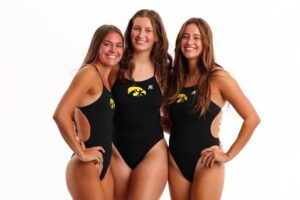
What began as a routine promotional release featuring members of the Iowa Hawkeyes women’s swimming and diving quickly turned into a viral discussion across social media platforms. Viewers began analyzing one particular image from the shoot, arguing that the camera angle seemed to emphasize the backside of a female swimmer rather than the athletic achievements of the athletes involved.
The situation has since sparked a broader conversation not just about a single photograph, but about the evolving expectations surrounding professionalism, representation, and gender equality in sports imagery.
The Hawkeyes Swimming Photoshoot That Sparked a Social Media Storm
The controversy began shortly after images from the Hawkeyes swimming photoshoot were posted online as part of a promotional campaign highlighting the team.
The photographs showed several athletes posing together in their official competition swimsuits. The goal was straightforward: promote the program, celebrate the swimmers, and generate excitement around the team.
However, social media users quickly noticed something they believed was problematic.
In one image circulating widely, the positioning of the athletes and the angle chosen by the photographer appeared at least to some viewers to draw attention to a swimmer’s backside. That observation quickly ignited debate, with thousands of users sharing opinions about whether the photo crossed a line or was simply misunderstood.
Within hours, the discussion had spread far beyond typical fan circles, reaching commentators, sports journalists, and advocates for gender equality in athletics.
Critics Say the Image Reflects a Larger Issue in Sports Media
For many observers, the controversy surrounding the Hawkeyes swimming photoshoot wasn’t really about one picture at all.
Instead, critics argued that it reflected a much broader pattern in sports coverage.
Over the years, discussions about how female athletes are portrayed have surfaced repeatedly. While male athletes are often photographed in ways that highlight strength, power, and action, some critics say women are sometimes framed differently emphasizing appearance over athletic performance.
Several commentators online pointed to this long-standing contrast.
When male athletes appear in promotional photos, the images often capture explosive moments diving catches, powerful swings, or dramatic celebrations.
But when female athletes appear in similar campaigns, critics argue that the focus can sometimes shift toward aesthetics rather than competition.
For those raising concerns about the Hawkeyes image, the question was simple: should promotional material for collegiate athletes ever risk sending the wrong message about what those athletes represent?
Supporters Say the Photo May Have Been Misinterpreted
Not everyone agreed with the criticism.
In fact, a significant portion of the online discussion pushed back against the backlash entirely.
Some viewers suggested that the controversial image was simply the result of an unfortunate camera angle rather than an intentional attempt to highlight any particular part of a swimmer’s body.
Sports photography, after all, often relies on creative positioning and dynamic composition. Photographers frequently experiment with angles and group arrangements in order to produce images that feel energetic and visually compelling.
Supporters of this viewpoint argued that people may be reading too much into what was ultimately a routine team photoshoot.
To them, the focus should remain on the athletes themselves their dedication, training, and competitive success.
Why Representation in Sports Media Matters
Despite the disagreement over the specific image, the debate surrounding the Hawkeyes swimming photoshoot has once again placed the spotlight on how female athletes are represented.
In the era of social media, images can travel far beyond their original context. A photo released by a university athletics department can reach millions of viewers within hours.
Because of that, institutions increasingly face pressure to think carefully about how their visual content might be interpreted.
For athletes especially those competing at the collegiate level representation matters.
These athletes train for years, often dedicating countless hours each week to refining their craft. Promotional campaigns, in theory, should showcase that dedication and the competitive excellence behind it.

When audiences believe the focus shifts away from those achievements, debates like the one surrounding the Hawkeyes photoshoot can quickly emerge.
The Challenge of Balancing Creativity and Professionalism
Sports photography has always walked a fine line between creativity and professionalism.
Photographers want their images to stand out. Dynamic angles, dramatic lighting, and unique compositions can help teams attract attention in crowded digital spaces.
At the same time, institutions must consider how those creative decisions will be perceived by audiences.
In the case of the Hawkeyes images, what was likely intended as a visually striking group arrangement became something else entirely once viewers began analyzing it online.
That transformation from routine promotional material to viral controversy illustrates how quickly perception can shift in today’s digital landscape.
A Reminder of the Speed of Online Reactions
One of the most striking elements of the Hawkeyes swimming photoshoot debate is how rapidly it spread.
Only minutes after the images began circulating, comments and reactions started pouring in. Within a short time, the discussion had reached audiences far beyond the immediate fan base of the program.
This type of rapid reaction is increasingly common in modern sports culture.
Platforms like Facebook, X, and Instagram allow fans to respond instantly to news, images, and videos. That immediacy can amplify even minor controversies, turning them into global conversations overnight.

For universities and sports programs, it serves as a reminder that every piece of content they publish has the potential to spark intense public scrutiny.
The Athletes at the Center of the Conversation
Lost in much of the online debate are the athletes themselves.
Members of the Iowa Hawkeyes women’s swimming and diving dedicate enormous effort to their sport. Collegiate swimmers often train multiple times a day, balancing rigorous practice schedules with academic responsibilities.
Their achievements in the pool measured in split times, relay performances, and championship results represent years of commitment.
Promotional photoshoots are typically meant to celebrate that dedication and introduce fans to the athletes who represent their university.
In this case, however, the focus shifted from those accomplishments to the way one image was framed.
A Broader Conversation About Women in Sports
Whether critics or defenders ultimately have the stronger argument, the discussion surrounding the Hawkeyes swimming photoshoot highlights an ongoing cultural conversation.
Across the sports world, athletes, journalists, and fans continue to debate how female competitors should be portrayed.
Many advocates believe media coverage should emphasize performance, skill, and achievements above all else.
Others argue that creative presentation including stylized photography can coexist with respect and professionalism.
What’s clear is that audiences are paying closer attention than ever.
Images once seen only by local fans can now reach global audiences instantly, and those audiences bring diverse perspectives about what they see.
What Happens Next?
At this point, the Hawkeyes photoshoot controversy appears to be less about blame and more about reflection.
For sports programs, the episode offers an opportunity to reconsider how promotional materials are produced and presented.
For fans and commentators, it’s another reminder of the complexities surrounding gender representation in athletics.
And for the athletes themselves, the hope is that the conversation eventually returns to where it arguably belongs: their performance in the pool.
As collegiate sports continue evolving in the digital age, moments like this demonstrate just how powerful and sometimes unpredictable sports imagery can be.