Former Marine Brian McGuinness Congress Incident Sparks National Debate Over War With Iran
In recent days, the Brian McGuinness Congress incident has sparked intense debate across political circles, veterans’ communities, and social media platforms across the United States.
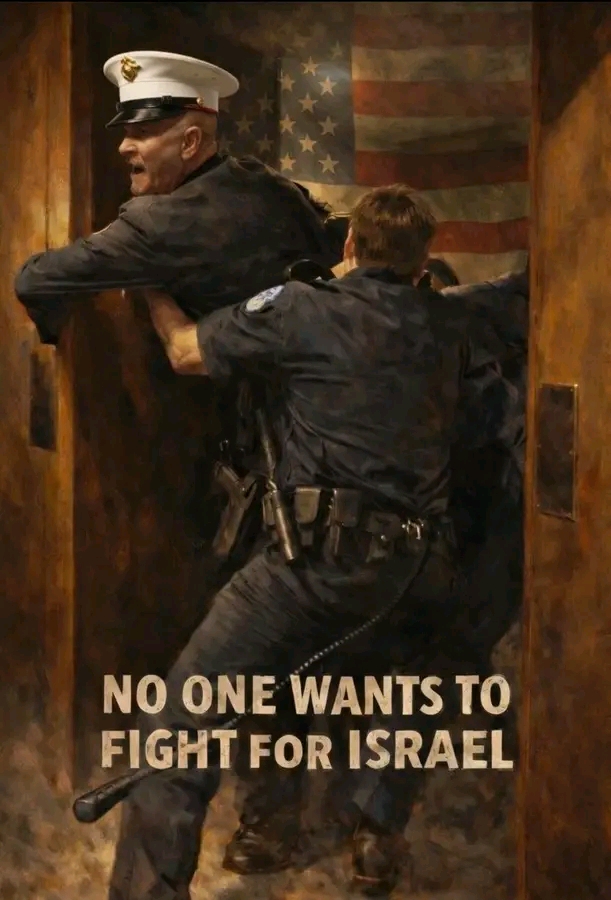
The Brian McGuinness Congress incident refers to claims circulating online that a former U.S. Marine stood up during a congressional proceeding to voice opposition to a potential war with Iran and was forcibly removed by security.
Supporters say the moment represents a growing frustration among veterans who believe the United States should avoid another prolonged military conflict in the Middle East. Critics, however, say the viral story lacks clear verification from official government sources and may have been exaggerated or misrepresented online.
What’s certain is that the controversy has quickly ignited a national conversation about foreign policy, veterans’ voices, and the role of public protest inside the halls of Congress.
The Brian McGuinness Congress Incident
According to posts circulating on social media and activist websites, former Marine Sgt. Brian McGuinness reportedly interrupted a congressional session to deliver a blunt message.
Witness accounts posted online claim McGuinness told lawmakers that many Americans including military veterans do not want the United States to fight a war with Iran on behalf of Israel or any other ally.
The moment, supporters say, lasted only seconds before security intervened.
Posts describing the incident claim congressional security officers removed McGuinness from the chamber after his interruption, sparking a tense confrontation.
Some viral posts went further, alleging that during the removal his arm was broken by security personnel.
However, at the time of writing, no official congressional report or verified law-enforcement statement has confirmed that a broken arm occurred during the removal.
Veterans’ Groups Begin Speaking Out
Despite the uncertainty surrounding the exact details of the incident, the story quickly spread among veterans’ advocacy groups online.
Organizations focused on veterans’ political engagement say the viral posts reflect a deeper frustration felt by many former service members.
Several veteran-run nonprofits, including advocacy networks dedicated to military accountability and foreign policy restraint, have shared statements emphasizing that many veterans are wary of another major Middle East conflict.
Some organizations argue that service members who fought in Iraq and Afghanistan understand the cost of war better than most Americans.
Those experiences, they say, make veterans particularly sensitive to discussions about new military interventions.
Why Iran Is at the Center of the Debate
The controversy arrives at a time when tensions between the United States and Iran have periodically escalated over issues including regional security, nuclear policy, and military activity in the Middle East.
Over the past decade, Washington and Tehran have clashed diplomatically and strategically through sanctions, military posturing, and political rhetoric.
The situation reached a peak during the Killing of Qasem Soleimani in 2020, when the United States conducted a drone strike that killed the senior Iranian military commander in Baghdad.
That event triggered fears of a direct military confrontation between the two nations.
Although open conflict was avoided, tensions have remained high in the years since.
Congress and War Powers
The debate highlighted by the Brian McGuinness Congress incident also touches on a longstanding constitutional issue: who has the authority to start a war.
Under the U.S. Constitution, Congress holds the power to declare war, while the president serves as commander in chief of the armed forces.
However, modern military engagements have often begun without a formal declaration of war.
Examples include the wars in Iraq and Afghanistan, both launched through congressional authorizations rather than traditional war declarations.
Many veterans’ groups argue that these long conflicts demonstrate the risks of entering new military engagements without broad public debate.
Social Media Amplifies the Story
The rapid spread of the alleged incident shows how quickly political narratives can travel in the digital age.
Within hours, the story had circulated widely on platforms including X, Facebook, and alternative media sites.
Some posts described McGuinness as a symbol of courage a veteran willing to confront lawmakers directly about the consequences of war.
Others questioned the accuracy of the claims and urged caution until verified reporting emerged.
Media analysts say this pattern has become increasingly common: a dramatic claim spreads online, gains traction through emotionally charged language, and then becomes the subject of public debate before official facts are fully confirmed.
What We Know — and What We Don’t
Several details about the alleged event remain unclear.
What appears to be known:
A story involving a former Marine named Brian McGuinness circulated widely online.
The story claims he protested inside a congressional setting.
Veterans’ advocacy groups shared or discussed the incident.
What remains unverified:
Whether the event occurred exactly as described.
Whether McGuinness was physically injured during the removal.
Whether congressional security used excessive force.
Without official confirmation, journalists and researchers caution against presenting the viral story as fully established fact.
Veterans and War Fatigue
Regardless of the specifics of the incident, the conversation it triggered reflects a broader national sentiment.
More than two decades after the United States entered the wars in Iraq and Afghanistan, many Americans including veterans express concern about becoming involved in another major overseas conflict.
A 2021 withdrawal from Afghanistan ended the longest war in U.S. history, but the legacy of that conflict continues to shape public attitudes toward military intervention.
For veterans who served multiple deployments, the possibility of another Middle East war raises serious questions.
Many argue that policymakers should consider the long-term human and economic costs before engaging in new conflicts.
Calls for Transparency
Advocacy groups responding to the Brian McGuinness Congress incident say the controversy underscores the need for transparency in government proceedings.
They argue that if citizens including veterans attempt to voice concerns about war policy, their perspectives should be heard respectfully.
Some organizations have called for any available security footage from the alleged incident to be released publicly.
Others emphasize that open democratic debate is essential when discussing decisions that could lead to military conflict.
The Bigger Picture
The story surrounding the Brian McGuinness Congress incident may still be evolving, but it highlights several powerful themes shaping American politics today.
It touches on the role of veterans in public debate, the influence of social media in shaping political narratives, and the continuing public scrutiny of U.S. foreign policy decisions.
Most importantly, it reminds Americans that discussions about war particularly conflicts that could involve thousands of service members remain deeply personal for those who have worn the uniform.
Whether the viral story proves entirely accurate or not, the reaction it sparked reveals something unmistakable: many Americans are paying close attention to how and why the nation might enter its next conflict.