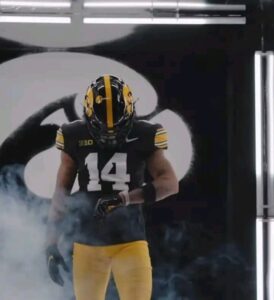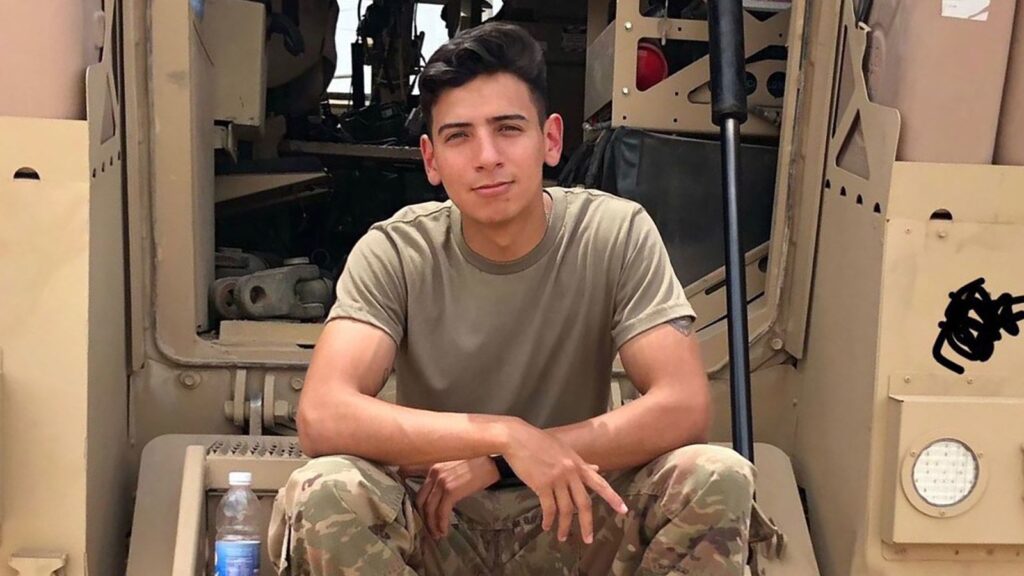
George Retes wrongful detention lawsuit involving former Iowa Hawkeyes football player
Former Iowa Football Star George Retes Sues Feds After Shocking Detention During Immigration Raid
When news of the George Retes wrongful detention lawsuit broke, it stunned Hawkeye Nation. A former Iowa Hawkeyes football player now a U.S. citizen and Army veteran says he was detained for three days by federal immigration agents despite repeatedly identifying himself as American.
The man at the center of the case is George Retes, once a familiar name inside the Iowa football program and today a military veteran trying to rebuild his life after service. Instead, he says he was dragged from his car, sprayed with tear gas and pepper spray, and held incommunicado during a federal raid in Southern California.
Now, Retes is fighting back in federal court.
George Retes Wrongful Detention Lawsuit
The George Retes wrongful detention case stems from a federal immigration raid at a cannabis farm in Camarillo, California. According to the lawsuit filed against the federal government, Retes was on his way to his overnight security job when immigration agents surrounded the area.
Retes says he identified himself immediately.
“I was wrongfully detained and held incommunicado for three days and three nights,” he stated in the filing. “I identified myself as a U.S. citizen and a veteran, but that didn’t matter. Agents smashed my window, sprayed tear gas and pepper spray into my car, dragged me out.”
Those are not vague allegations. They’re detailed claims, laid out in black and white, backed by legal filings that argue his constitutional rights were violated.
What Happened During the Raid?
The operation reportedly targeted workers at the cannabis facility. Retes, who worked security, insists he was not a target and had documentation proving his citizenship.
According to the lawsuit:
Agents shattered his car window.
Tear gas and pepper spray were deployed into the vehicle.
He was forcibly removed and detained.
He was allegedly denied immediate access to legal representation.
He was held for three days before being released.
Retes maintains he repeatedly told agents he was born in the United States and had served in the U.S. Army.
For many in Hawkeye circles, the story feels surreal. Retes once represented Iowa football a program built on discipline, toughness, and accountability. Now he’s alleging those same values were stripped away in a matter of minutes on a California roadside.
From Iowa Football to Army Veteran
Retes’ connection to the University of Iowa is more than symbolic. As a former member of the Iowa football program, he trained inside one of the most structured environments in college athletics.
The Hawkeyes are known nationally for their physical style and developmental culture under longtime head coach Kirk Ferentz. Players who pass through that program often speak about accountability, brotherhood, and representing the university with pride.
After leaving Iowa, Retes chose military service another path demanding discipline and sacrifice.
That’s part of why this case resonates so deeply.
You don’t expect a former Division I athlete and Army veteran to claim he was mistaken for someone else during an immigration sweep. Yet that’s precisely what he alleges.
Legal Challenge Against the Federal Government
Retes’ lawsuit challenges the legality of his detention and the force used during the raid. Civil rights attorneys argue that detaining a U.S. citizen after clear identification constitutes unlawful imprisonment and potential constitutional violations under the Fourth and Fifth Amendments.
Key legal questions include:
Did agents verify his citizenship in a timely manner?
Was force justified under the circumstances?
Why was he allegedly held for three days if documentation was available?
Retes’ attorneys argue that holding a U.S. citizen for 72 hours without proper review represents systemic failure.
Federal authorities have not publicly detailed their internal review process related to his case. However, such incidents typically involve agencies like U.S. Immigration and Customs Enforcement (ICE) operating under Department of Homeland Security protocols.
For Hawkeye fans, though, this isn’t about bureaucratic policy. It’s about a former Iowa athlete who says his rights were ignored.
Why This Story Matters to Hawkeye Nation
Sports aren’t played in a vacuum. When former players face legal or personal battles, fans pay attention.
Retes once wore the black and gold. He trained in the same weight rooms, walked the same tunnels inside Kinnick Stadium, and represented Iowa in one of the toughest conferences in college football.
The Big Ten Conference prides itself on tradition and integrity. Stories like this cut across those values.
There’s also a broader national conversation about immigration enforcement and mistaken detentions. Retes’ case adds a high-profile, athlete-and-veteran dimension to that discussion.
For veterans especially, the emotional weight is heavy. Serving your country only to allege wrongful detention by federal agents is a narrative that’s difficult to process.
Emotional and Professional Impact
Retes says the three-day detention left psychological scars.
Being held without communication unable to contact family or legal counsel creates fear and uncertainty that lingers long after release. Civil rights experts often point out that even short-term detention can have lasting trauma effects.
Professionally, the incident occurred while he was en route to work. Employment interruptions, legal fees, and public scrutiny now form part of his daily reality.
And then there’s reputation.
For a former Iowa football player, identity matters. These athletes carry their college brand for life. Allegations of detention during a federal raid can create confusion and stigma, even when no wrongdoing is involved.
A Larger National Conversation
The George Retes wrongful detention lawsuit arrives during heightened debate over immigration enforcement practices across the United States.
Civil liberties groups have long argued that rapid-response raids can result in mistaken identities, especially in chaotic environments. Law enforcement agencies counter that operational urgency often limits immediate verification.
Retes’ legal team contends that citizenship claims should have triggered immediate verification procedures.
This case may ultimately hinge on documentation timelines, internal communication, and use-of-force standards.
But in the court of public opinion especially within the Iowa football community the story has already struck a nerve.
What Comes Next?
The lawsuit will move through federal court, where discovery could reveal:
Body camera footage
Communication logs
Detention processing timelines
Medical records related to use of force
If the court finds constitutional violations, the case could result in financial damages and potential policy changes.
If the government successfully defends its actions, it may reinforce current operational standards.
Either way, the case is far from over.
Hawkeye Brotherhood Watching Closely
Iowa football alumni are known for staying connected long after their playing days end. Whether it’s NFL careers, coaching paths, or personal milestones, former Hawkeyes remain part of a tight-knit network.
Now, that network is watching one of its own navigate a legal battle far removed from Saturdays in Iowa City.
Retes isn’t asking for sympathy in his public statements. He’s asking for accountability.
“I identified myself as a U.S. citizen and a veteran,” he said. “That didn’t matter.”
Those words carry weight not just legally, but emotionally.
For fans who cheer the black and gold every fall, the case feels personal.
And until a courtroom delivers answers, the questions will keep coming.