Rick Heller message reaction after Iowa baseball bus crash tragedy
In the wake of a harrowing college baseball tragedy that left one player dead and 32 others injured, the Rick Heller message and a bold call for accountability from University of Iowa head football coach Kirk Ferentz have emerged as focal points in the response from the broader Iowa sports community.
On Wednesday, February 11, an Iowa Lakes Community College team bus overturned on Iowa Highway 4 near Twin Lakes, Iowa, about 110 miles northwest of Des Moines, in a single‑vehicle crash that sent shockwaves through the college baseball world. The bus, carrying 33 people, veered off the road and overturned into a roadside ditch without any other vehicle involved, according to the Iowa State Patrol.
Amidst the grief, leadership voices from the wider Hawkeye athletic scene have spoken out not only offering sympathy but also urging a thorough investigation into what went wrong.
Crash Details and Devastating Impact
The Iowa State Patrol reported that the bus was southbound around 11 a.m. when it suddenly left the highway and rolled over, resulting in one fatality and injuries to the remaining 32 passengers.
Officials later identified the student who was killed as 19‑year‑old Carter Johnson, a freshman outfielder from Rapid City, South Dakota, whose life ended despite CPR efforts at the scene by teammates.
Three others were airlifted to trauma centers in Des Moines for more serious care, while others were transported by ambulance to hospitals in the region. The team had been on its way to Arkansas to begin a series of games against North Arkansas College.
The crash occurred on a stretch of Highway 4 that has been noted for previous accidents, with authorities saying the driver failed to negotiate a curve and overcorrected before the bus tipped, rolling into a ditch.
This grim event led to an immediate cancellation of scheduled games and spurred shock and grief across Iowa’s tight-knit sports communities.
Kirk Ferentz Calls for Thorough Investigation
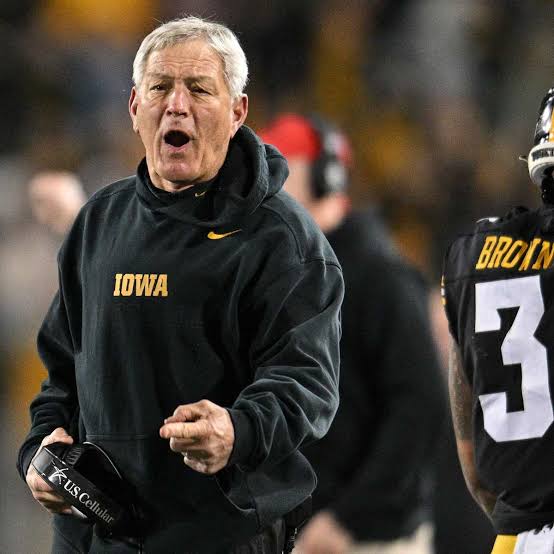
In a strongly worded reaction that rippled across social media and local sports circles, University of Iowa head football coach Kirk Ferentz issued a statement that went beyond condolences. His remarks which blended sympathy with a demand for accountability signaled concern for safety as much as sorrow over the human toll.

Here is how the statement was presented in sports media features:
“Our hearts go out to the players, staff, and families affected by this tragic bus accident. This is a heartbreaking event for the entire Iowa athletic community.
While we mourn with those impacted, it is important that authorities conduct a thorough investigation into the circumstances surrounding the crash. Early reports indicate the bus may have gone off the road due to excessive speed, a top‑heavy vehicle design, or a potential medical event affecting the driver. We fully support all necessary measures to ensure accountability and safety going forward.
At this time, we continue to offer our full support to the families, the injured, and everyone affected by this terrible incident.”
Ferentz’s message resonated broadly because it didn’t just express grief it challenged leaders to seek answers and improve future safety standards.
What This Means for the Iowa Athletic Community
For many in Iowa, these are more than abstract words. Coach Ferentz, 69, is one of the most respected figures in Hawkeye sports, having served as Iowa’s head coach since 1999. His reactions to past tragedies and challenges have shaped how the community responds with empathy, steadfastness, and accountability.
The county and state response to the crash including airlifted trauma care and multiple law enforcement agencies on scene highlights how serious this single‑vehicle accident was.
Local statements from the college and wider athletic community have echoed Ferentz’s plea for investigation and focus on safety. North Arkansas College president Dr. Rick Massengale offered formal condolences, saying the tragedy “reaches far beyond one campus” and affirming support for the Iowa Lakes baseball community.
Remembering Carter Johnson and Supporting Survivors
Amid the broader concerns about cause and responsibility, the personal toll remains at the forefront.
Carter Johnson, described by friends, coaches, and family as a spirited teammate and gifted freshman, left a lasting impact during his brief time with the team.
A candlelight vigil was held at Iowa Lakes Community College’s Estherville campus, where classmates and community members gathered to honor Johnson’s memory and support his grieving teammates.
In the days following, the college announced the creation of the Carter “Tater” Johnson Memorial Scholarship Fund, inviting community contributions to support future Iowa Lakes students in his honor.
This focus on preserving his legacy shows how deeply this loss has resonated beyond athletic circles affecting classrooms, dorms, and families.
Crash Investigation Underway
The Iowa State Patrol continues its fatal crash investigation, looking into vehicle speed, driver condition, and road conditions. With no other vehicle involved, officials have said the crash remains puzzling raising questions about whether excessive speed, handling of a top‑heavy bus, or even a medical emergency could have contributed.
Transportation safety experts have long noted that buses, particularly older or high‑centered models, are more vulnerable in sharp curves and any overcorrection at speed can lead to rollover. This broader context has fed into community calls for deeper inquiry and potential policy reviews.
Leadership Voices Matter in Times Like This
For Iowa and college sports fans at large, the words of leaders coaches, presidents, and administrators matter. They shape conversation, focus community attention, and can influence policies that prevent future tragedies.
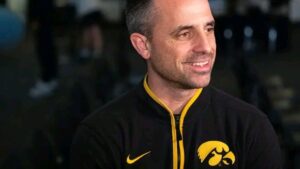
While University of Iowa head baseball coach Rick Heller has not been directly involved with this crash, many in the baseball world have reflected on how a message from a seasoned leader like him would emphasize unity, recovery, and support for the players and families affected.
Leadership isn’t only about wins and losses. It’s how a community responds when everything else stops when families hurt, friends grieve, and the journey ahead feels uncertain.