

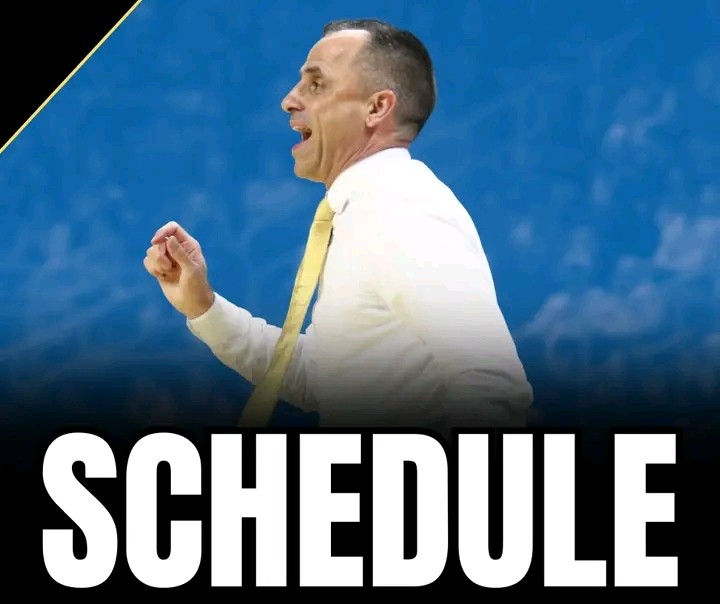
With a decisive victory over UMass Lowell 90–62 at Carver-Hawkeye Arena, Iowa men’s basketball concluded both the non-conference portion of the schedule and its final game of 2025. In many respects, the outcome was a fitting summary of how the Hawkeyes handled business outside of the Big Ten this season, and it was never truly in doubt.
Iowa established control over the River Hawks from the first tip, using its physicality, depth, and speed to pull away early and never look back. The Hawkeyes went 11-1 in their stellar non-conference run, with the only setback occurring in the Cy-Hawk rivalry loss to Iowa State. The decisive victory completed this run. Iowa did exactly what a good team is supposed to do against every other non-conference opponent: win, and frequently do so with ease.
Given that Ben McCollum is leading Iowa City for the first time this season, this consistency is especially noteworthy. Setting expectations, putting systems in place, and managing a roster can be a challenging balancing act for a new head coach. However, McCollum’s team has appeared calm, assured, and well-prepared throughout the first 13 games, accumulating 11 victories and putting itself in a favorable position in the national picture. McCollum isn’t satisfied with just checking boxes, though. He openly discussed his non-conference scheduling philosophy after the victory over UMass Lowell, providing insight into how he hopes to influence Iowa’s schedules going forward. His method is practical, combining ambition, development, and tradition.
McCollum recently stated, “You probably want to play enough of the buy games to build your confidence and to get more bodies in.” “You can play your depth, so you don’t want to eliminate those.” Those so-called “buy games” against mid-major or smaller schools have several uses at programs like Iowa. They help the coaching staff assess the entire roster, give the team an opportunity to develop as a unit away from the intense pressure of everyday elite competition, and enable younger players and reserves to log significant minutes.
However, McCollum made it apparent that he does not want Iowa’s non-conference schedule to stay unchanged. “But we want to play more power conference teams next,” he continued, admitting that even though it’s not always easy to schedule those games, it’s a top priority going forward. That desire is a reflection of his team’s confidence as well as his knowledge of the contemporary college basketball scene. Strong non-conference victories over formidable conference rivals can pay off in March, particularly when teams unavoidably experience difficult times during the grind of conference play. Increasing the level of difficulty prior to Big Ten play could boost Iowa’s reputation and act as a safety net in the event that victories are difficult to come by later.
Iowa appears to be in a strong position based on the numbers already. As December draws to a close, the Hawkeyes are ranked No. 11 in the NET rankings, which are a major factor in NCAA Tournament selection and seeding. That standing is evidence of the team’s performance as well as how it has dealt with opponents, especially in clear victories like the one against UMass Lowell. However, it’s evident from McCollum’s remarks that he is considering the long term. He is aware that a program can only go so far by dominating weaker opponents, even though it is necessary. A team can get sharper during the non-conference season by being exposed to a variety of styles, challenging conditions, and elite athletes before taking on the brutal Big Ten.
It’s unclear if Iowa will be able to considerably improve its non-conference schedule for the upcoming campaign. Opponents in power conferences are frequently scheduled based on home-and-home agreements, conference logistics, and mutual availability. However, intent is important, and McCollum’s candor about his objectives conveys his vision for the program. McCollum made it clear that he wanted to make Iowa proud even before the season began. The Hawkeyes have accomplished that throughout his early tenure. They have performed well against the teams they were expected to defeat, played with intention, and protected their home court.
It was more than just a non-conference triumph over UMass Lowell. It was a punctuation mark at the conclusion of a compelling first chapter. The groundwork established during an 11-1 non-conference run could be crucial as Iowa focuses on Big Ten play and the difficulties that accompany it. Additionally, if McCollum is granted his wish, future Hawkeye teams might be put to the test even sooner, paving the way for more ambitious objectives come March.
