Screenshot
Minneapolis protests after federal agents shooting continued for a second straight weekend as residents gathered once again to demand answers after a man was shot and killed by federal law enforcement during an immigration operation. What began as shock on Saturday has turned into grief, anger, and a growing sense that the community deserves clarity about what really happened.
The shooting occurred early Saturday morning in south Minneapolis during a federal immigration enforcement action. The man killed was Alex Jeffrey Pretti, a 37-year-old ICU nurse who worked at the Minneapolis VA hospital. Friends, coworkers, and neighbors say Pretti was the kind of person who showed up for others and now, they’re showing up for him.
By Sunday, people were back in the streets. Some carried signs. Others stood silently at makeshift memorials. Many simply wanted to be seen and heard.
What We Know So Far About Minneapolis Protests After Federal Agents Shooting
Federal authorities say U.S. Border Patrol agents were attempting to arrest a suspect wanted for assault when a crowd formed around the scene. According to the Department of Homeland Security, agents felt threatened as tensions escalated and claimed Pretti approached officers with a firearm, leading them to open fire.
But videos recorded by witnesses and shared widely online have complicated that narrative.
Footage appears to show Pretti holding a cellphone, not a weapon, in the moments before he was shot. Minneapolis Police Chief Brian O’Hara confirmed that while Pretti was legally permitted to carry a firearm, available video evidence does not clearly show him pointing or brandishing a gun at agents when the shooting occurred.
That disconnect between official statements and what people can see with their own eyes is fueling public outrage.
This shooting also comes less than three weeks after another civilian was killed by federal agents in Minneapolis, raising deeper concerns about the presence and conduct of federal law enforcement in the city.
A City Responds: Protests, Vigils, and Raw Emotion
Despite freezing temperatures, hundreds gathered throughout the weekend. Some marched. Others chanted. Many cried.
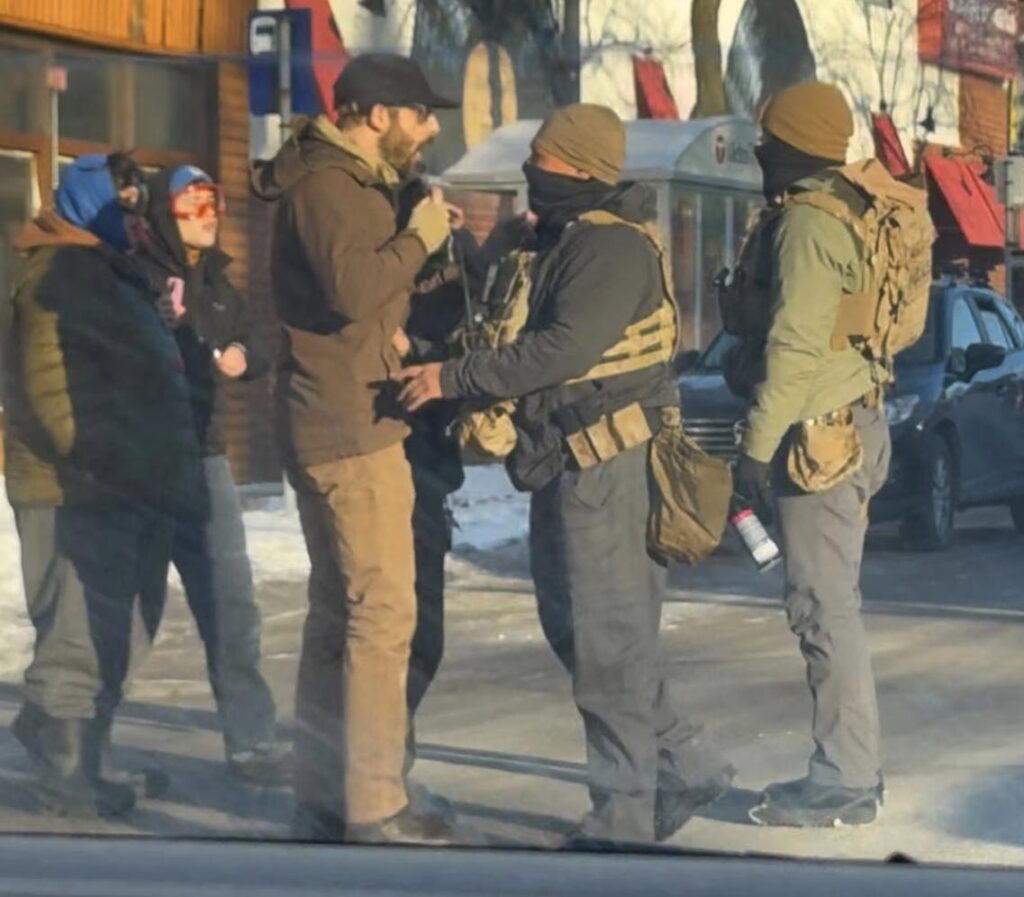
At times, emotions boiled over. Protesters blocked streets, dragged dumpsters into intersections, and confronted law enforcement officers guarding federal buildings. Tear gas and flash-bang devices were deployed as tensions rose, while the Minnesota National Guard was placed on standby to assist with crowd control.
But not all moments were loud or confrontational.
As night fell, the mood shifted. Candles flickered near the site of the shooting. Flowers, handwritten notes, and hospital badges were left behind. Coworkers from the VA hospital spoke quietly about losing someone they trusted in the most intense moments of their own jobs.
For many, the protests weren’t just about immigration enforcement. They were about accountability and the fear that without it, this won’t be the last life lost.
Officials Push Back as Investigations Begin
State leaders have not stayed silent. Minnesota Governor Tim Walz publicly criticized the federal operation, calling for transparency and questioning why federal agents were operating in local neighborhoods without clearer coordination.
Civil rights organizations and labor unions, including the AFL-CIO, demanded federal immigration agents leave Minnesota altogether, warning that aggressive enforcement tactics are putting lives at risk.
Meanwhile, a federal judge has ordered the Department of Homeland Security to preserve all evidence connected to the shooting. That order followed claims by state investigators that they were initially denied access to the scene, raising red flags about the integrity of the investigation.
The Minnesota Bureau of Criminal Apprehension is now leading the inquiry, while federal officials insist their agents acted in self-defense.
Why This Moment Feels Bigger Than One Incident
Protests tied to the shooting have spread beyond Minneapolis, with demonstrations reported in cities like Chicago, New York, Washington, D.C., and Los Angeles. For many Americans, the incident has become a symbol of broader concerns about federal power, community trust, and how quickly routine operations can turn deadly.
In Minneapolis, the questions remain painfully simple.
Why was deadly force used?
Was it necessary?
And could this have been avoided?
As investigators work and protests continue, one thing is clear: this story isn’t fading. For a city still carrying the weight of past trauma, the death of Alex Pretti has reopened wounds and sparked a renewed demand for answers that feel honest, not scripted.