Hawkeyes Struggle Early in Heartbreaking Loss to Illinois. The Hawkeyes struggle early was on full display Sunday as Iowa dropped a tough 75-69 decision to No. 16 Illinois at Carver-Hawkeye Arena. After soaring to No. 19 in the AP Top 25 last week, the Hawkeyes now face the harsh reality of back-to-back losses, both marked by sluggish starts that proved too much to overcome.
Iowa came into the game with a chance to rebound, hoping to recapture momentum against a ranked opponent at home. Instead, the team dug an early hole, allowing Illinois to build a 58-41 lead with just over 11 minutes remaining. Despite a fierce second-half rally that cut the deficit to four points with two minutes left, the comeback ultimately fell short.
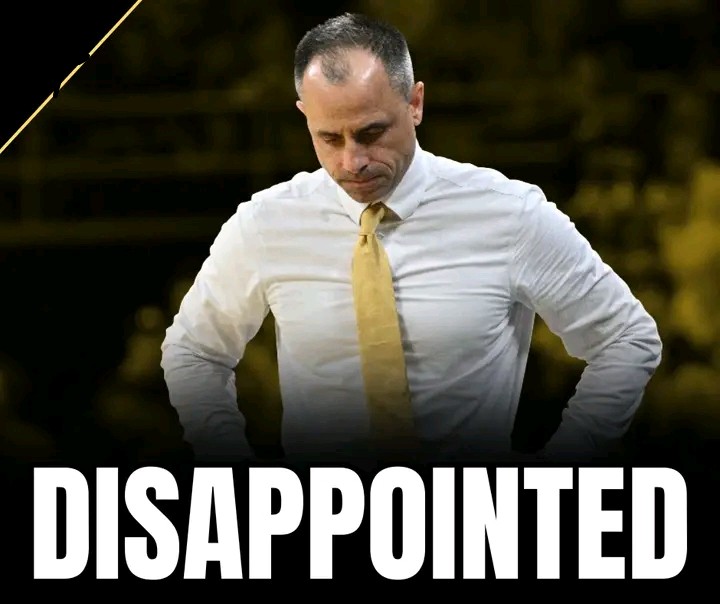
Head coach Ben McCollum didn’t mince words during his postgame press conference. “I was disappointed in a few guys,” he said bluntly, immediately setting the tone. While Tavion Banks, who’s been battling illness and reportedly lost around ten pounds in two days, looked surprisingly strong on the floor, others didn’t rise to the occasion.
McCollum’s frustration was clear: Iowa’s slow starts have become a recurring issue. In back-to-back games against Minnesota and Illinois, the Hawkeyes have failed to establish rhythm early, putting immense pressure on their defense to compensate for offensive struggles. “We can win these types of games, but we’ve got to start playing from the opening tip,” McCollum stressed.
Offensively, the Hawkeyes have shown flashes of brilliance, but teams are beginning to exploit a glaring weakness: when Bennett Stirtz is neutralized, the offense often stalls. Against Illinois, this strategy proved effective as the Illini limited Stirtz’s impact, leaving Iowa searching for other scoring options. Even with their grit and determination, the Hawkeyes’ second-half surge wasn’t enough to overcome the early deficit.
Defensively, Iowa has been above average all season, but early offensive lapses put extra strain on the backcourt. The team’s inability to score in stretches has made comebacks a necessity rather than a strategy. While the effort and determination were evident, relying on late-game heroics is unsustainable in the Big Ten.
The game also highlighted the resilience of individual players. Tavion Banks pushed through illness, and the team’s collective effort in the second half demonstrated that the Hawkeyes have the talent and tenacity to compete with top-ranked opponents. Yet, the pattern of slow starts continues to undermine their potential.
Looking ahead, Iowa now faces a daunting challenge on the road against No. 5 Purdue. The Boilermakers, one of the strongest teams in the country, won’t offer any opportunities for slow starts or sloppy first halves. For the Hawkeyes, improving their early-game focus isn’t just a matter of pride—it’s essential for Big Ten success.
Sunday’s loss, though painful, also serves as a reminder of what this Hawkeyes basketball team is capable of when it plays from the opening tip. If they can translate their second-half energy into a full-game performance, the potential for victories over ranked opponents is certainly there. But for now, the message is clear: slow starts are costing them dearly.
Fans, players, and coaches alike will need to confront the reality of early-game struggles head-on. The team’s defensive tenacity and individual talent are undeniable, but without consistent offensive execution from the outset, close games against elite competition will continue to slip away. The upcoming clash with Purdue will be the first true test of whether the Hawkeyes can break the pattern and start games with intensity and focus.
For Iowa, the lesson is simple yet critical: talent alone won’t overcome early deficits. The Hawkeyes must learn to play smart, fast, and aggressive from the first whistle if they hope to compete at the highest level in the Big Ten this season. Sunday’s loss may sting, but it’s also a wake-up call and the team knows it.