Iowa Hawkeyes Loss Highlights Offensive Struggles in Big Ten Showdown
The Iowa Hawkeyes loss to Minnesota on Tuesday night served as a stark reminder that even ranked teams can stumble when they start slow in the Big Ten. No. 19 Iowa fell behind early at Williams Arena and couldn’t complete the comeback, leaving fans frustrated but hopeful for adjustments in the upcoming games.
From the opening tip, it was clear that the Hawkeyes were not themselves. Coming off a surge in the AP Top 25 rankings, Iowa appeared flat, sluggish on both ends of the court, and unable to match Minnesota’s intensity. The Golden Gophers capitalized, shooting an impressive 54 percent from the field, while Iowa managed only 24 points in the first half.
Slow Start Costs Iowa Hawkeyes Loss
One of the major contributors to the Hawkeyes’ slow start was guard Bennett Stirtz, who found himself in early foul trouble. Stirtz had the lowest-scoring half of his career, sitting most of the first frame on the bench. With Iowa’s engine stalling, Minnesota quickly built a double-digit lead, putting the Hawkeyes on their heels.
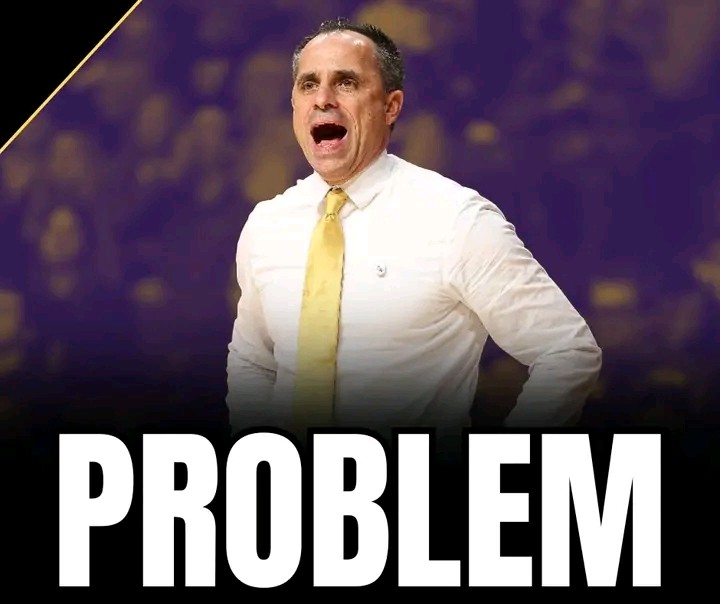
Coach Ben McCollum’s halftime adjustments sparked a spirited comeback. Down by as many as 14 points in the second half, Iowa clawed back into contention, even taking a brief one-point lead late in the game. The resilience was admirable, but the effort wasn’t enough. Iowa had three opportunities to tie the game in the final moments, yet couldn’t convert, sealing the Hawkeyes loss.
Despite the setback, Stirtz bounced back to lead the team with 21 points. Kael Combs added 14 points, while Isaia Howard contributed 10 points and six assists off the bench, showing glimpses of depth. However, the game highlighted how heavily Iowa relies on Stirtz to drive its offense.
Offensive Inconsistencies Remain a Concern
When Stirtz isn’t scoring or is sidelined with fouls, Iowa struggles to generate consistent offense. Back-to-back games have exposed prolonged scoring droughts that can quickly turn a promising start into a frustrating finish. Against Minnesota, those droughts proved costly, emphasizing that the Hawkeyes cannot depend on one player alone.
Shooting woes compounded the issue. Iowa’s sub-40 percent field goal rate and under 30 percent from three-point range made it nearly impossible to overcome Minnesota’s hot shooting. In a conference as competitive as the Big Ten, games like this can quickly turn into losses if the team isn’t firing on all cylinders.
While the officiating in the Big Ten can be inconsistent, it’s clear that the Hawkeyes must find more offensive rhythm. Other players stepped up—Howard and Combs notably—but Iowa needs greater overall consistency to compete with top-tier teams like Illinois and Purdue in the coming weeks.
Looking Ahead: Can Iowa Bounce Back?
Next on the schedule, Iowa faces No. 16 Illinois on Sunday, January 11, followed by a clash with No. 5 Purdue on January 14. These games will test whether the Hawkeyes can address their offensive inconsistencies and turn around the momentum after this disappointing road loss.
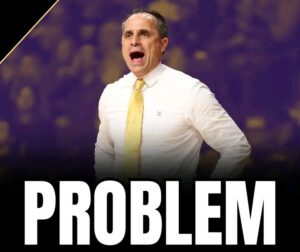
One thing is certain: Iowa fights hard every night, but talent alone isn’t enough in one of college basketball’s toughest conferences. The Hawkeyes will need contributions across the roster, smarter shot selection, and better starts if they hope to secure wins against elite competition.
The Minnesota loss may sting, but it also offers valuable lessons for McCollum’s squad. With key players healthy and motivated, Iowa still has the tools to contend in the Big Ten if they can eliminate the scoring droughts and perform with consistency from tip-off to the final buzzer.
Next Game: Sunday, January 11 vs. No. 16 Illinois, 11:00 a.m. CT