

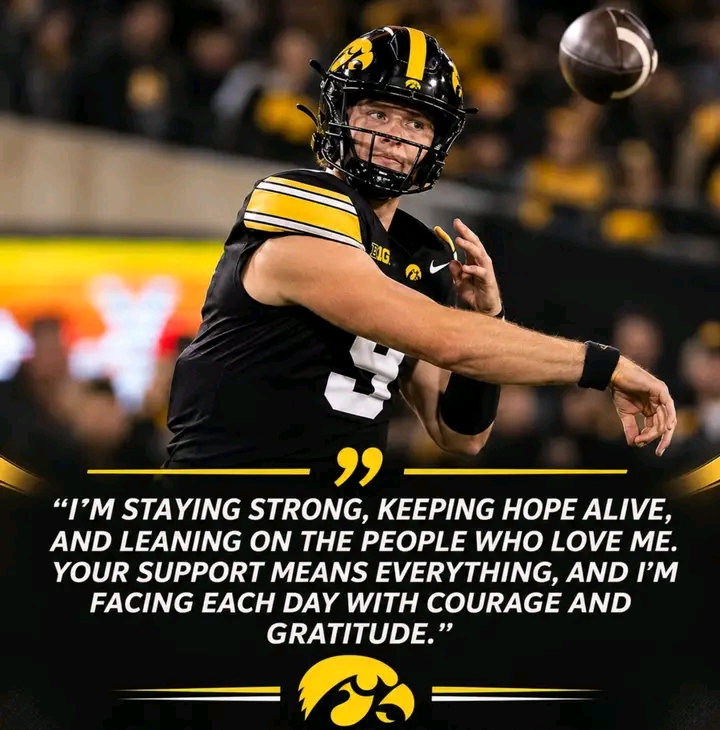
The life of a college quarterback can look glamorous from the stands. There are packed stadiums, roaring crowds and the excitement of representing a major football programme. Away from the spotlight, though, the experience is often far more complicated. Players face demanding schedules, public scrutiny and the pressure to keep improving, even when things do not go according to plan.
That reality is worth remembering as Hank Brown’s name circulates in an emotional message encouraging supporters to stand behind him. The message describes this as an especially difficult period in the young quarterback’s life, but it does not explain what has happened. It also provides no confirmed details of a medical emergency or another life-threatening situation. Without reliable information, it would be wrong to present those claims as fact or speculate about his private circumstances.
What can be discussed is the challenge of building a football career in an environment where expectations are high and patience can be limited. Brown has been associated with the Auburn Tigers, a programme whose supporters care deeply about the team and the players entrusted with leading it. For a quarterback, that responsibility can be particularly demanding.
The Pressure That Comes With the Position
Quarterbacks are involved in almost every important offensive decision. They must understand the playbook, recognise defensive looks, communicate with teammates and make quick choices while opponents are closing in. A successful play can bring praise, while a mistake may be replayed and debated long after the game has ended.
At a prominent college programme, that attention can follow a player well beyond the stadium. Fans discuss performances online, commentators assess every decision and expectations can rise quickly after a promising display. For a developing athlete, learning to handle that attention is part of the job.
Support Without Speculation
The message asking fans to support Brown has prompted an important conversation about how supporters respond when an athlete appears to be going through a difficult time. Encouragement can matter. A respectful message can remind a player that people recognise the effort behind the uniform and that one performance does not define a person.
That support should not depend on knowing the details of someone’s private life. Nor should concern become an excuse to spread rumours. When information is unclear, the responsible approach is to avoid turning an emotional post into a confirmed report. Brown deserves the same privacy and respect that any young person would expect when facing personal challenges.
College athletes are often treated as public figures, especially when they play for well-known teams. Their performances are open to discussion, and criticism is part of competitive sport. But there is a difference between analysing a game and attacking a person. Personal insults and unsupported claims do not help an athlete improve, and they can make an already demanding experience harder.
A Person Beyond the Uniform
It is easy to measure a quarterback through statistics, wins, losses and playing time. Those details matter to a team, but they do not tell the whole story of the individual. Student-athletes also have responsibilities away from football. They manage their education, relationships, personal decisions and plans for life after college.
Their careers can change quickly. A player may earn a larger role, face unexpected competition or need to reassess what comes next. Whatever the circumstances, the qualities developed through sport—preparation, resilience, teamwork and accountability—can remain valuable long after a season is over.
For Auburn supporters, loyalty can mean more than celebrating a big win. It can also mean recognising the work players put in during difficult stretches and treating them fairly when results fall short. That does not require fans to ignore mistakes or stop debating football. It simply asks them to remember that the person wearing the jersey is more than a box score.
As discussion around Brown continues, the facts should remain separate from assumptions. There is no verified information in the circulating message that establishes a specific crisis, so claims about his health or personal life should not be repeated as though they are confirmed. If Brown or his representatives choose to share an update, supporters can respond to what is actually known.
For now, the clearest message is a straightforward one: give the young quarterback room, show respect and recognise the demands of the game he has chosen to pursue. Supporters can respond with encouragement, not speculation, and allow him to focus on football.
