

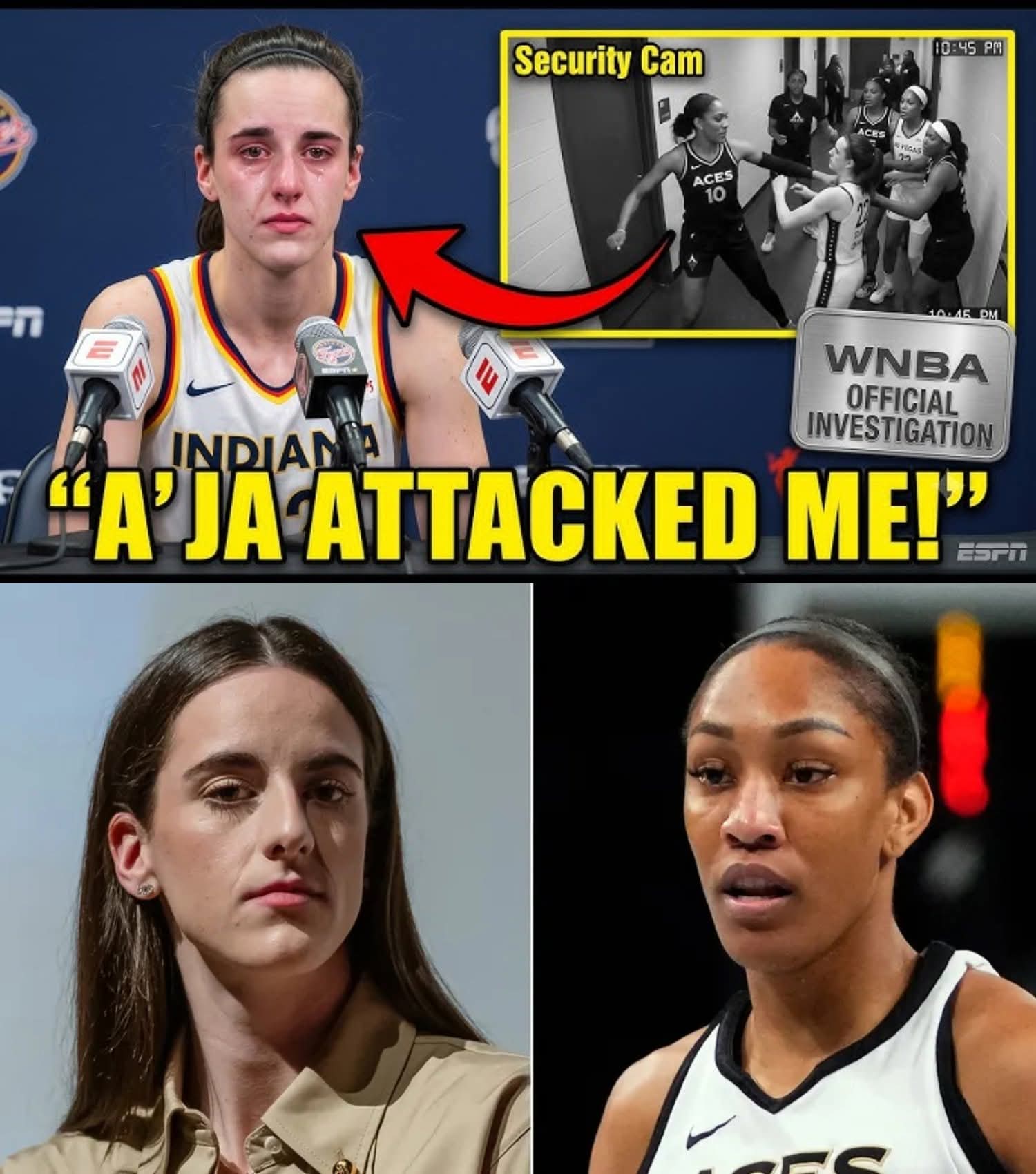
The WNBA’s remarkable rise in popularity has been accompanied by an equally intense debate over its future, with Caitlin Clark once again finding herself at the center of the conversation. Claims circulating online have suggested that some veteran players planned to confront the Indiana Fever rookie during All-Star Weekend over the behavior of portions of her fan base. However, no credible evidence has confirmed that such a meeting or confrontation actually took place.
The speculation emerged as discussions surrounding Clark’s influence on the league reached another level. Since entering the WNBA in 2024, the former Iowa superstar has become one of the biggest attractions in professional basketball, driving television ratings, ticket sales, merchandise demand, and national media attention to unprecedented heights. Whether praised or criticized, Clark has become the face of the league’s commercial boom.
Before Clark’s arrival, the WNBA spent years searching for greater mainstream recognition. Attendance often hovered around 6,000 fans per game, national television audiences averaged roughly 300,000 viewers, and the league relied heavily on NBA support while continuing to build its business model.
That picture changed dramatically after Clark was selected first overall by the Indiana Fever. Fever home games quickly became sellouts, television audiences regularly exceeded one million viewers, merchandise sales surged, and the league secured a historic media-rights agreement reportedly valued at approximately $2.2 billion over 11 years. The numbers transformed not only Clark’s team but also the visibility of the entire league.
Despite that commercial success, the increased attention has also brought heightened scrutiny. Every hard foul, controversial officiating decision, heated social media exchange, and postgame interview has become national news. The growing spotlight has exposed divisions over how players, fans, and league officials should handle criticism, online harassment, and the responsibilities that come with becoming a mainstream sports product.
Much of the recent discussion has focused on reports suggesting veteran stars, including A’ja Wilson and Chelsea Gray, wanted Clark to speak more directly about abusive online comments made by individuals claiming to support her. Those reports remain unverified, but they fueled widespread debate across social media and sports talk shows.
Clark herself has repeatedly condemned racism and hate speech whenever asked. Throughout her rookie season and beyond, she has consistently emphasized that there is no place for discrimination in sports while also making clear that she cannot control the actions of millions of people who follow her career. Her public message has remained measured despite the constant attention surrounding nearly every aspect of her career.
The conversation also reignited after Chelsea Gray publicly shared racist direct messages she received online following a loss to the Indiana Fever. Gray condemned the abuse, and many across the basketball community supported her decision to speak out against hateful behavior. At the same time, others argued that legitimate basketball criticism should not be confused with racist or abusive attacks, pointing out that elite athletes across every major sport regularly face intense public scrutiny.
Clark knows firsthand how difficult that spotlight can be. During her rookie campaign, she endured several highly physical encounters, including Chennedy Carter’s controversial off-ball body check that generated weeks of national headlines. She has also repeatedly been asked to address topics involving race, popularity, and league politics rather than simply discussing basketball.
The broader debate has become about more than one player. Some observers believe the WNBA is balancing two competing identities one focused on activism and player advocacy, and another centered on becoming a major commercial sports league capable of attracting millions of new fans from every background.
Supporters of Clark argue that the league should fully embrace the unprecedented growth she has helped generate. They point to packed arenas, record-breaking television audiences, stronger sponsorship opportunities, and increased player visibility as evidence that welcoming new fans ultimately benefits everyone involved.
Others stress that rapid growth should never come at the expense of protecting players from racism, harassment, or personal abuse. They believe league officials, teams, and social media platforms must continue strengthening measures that remove hateful content while allowing healthy basketball debate to continue.
As the WNBA continues enjoying its most successful era yet, one reality remains clear: Caitlin Clark has fundamentally changed the league’s economic landscape. How players, executives, and fans navigate this new level of attention may ultimately shape the next chapter of women’s professional basketball. With record audiences now watching every major storyline unfold, the league’s biggest challenge could be finding the balance between protecting its athletes and embracing the passionate fan base that has finally placed the WNBA firmly in the national spotlight.
