

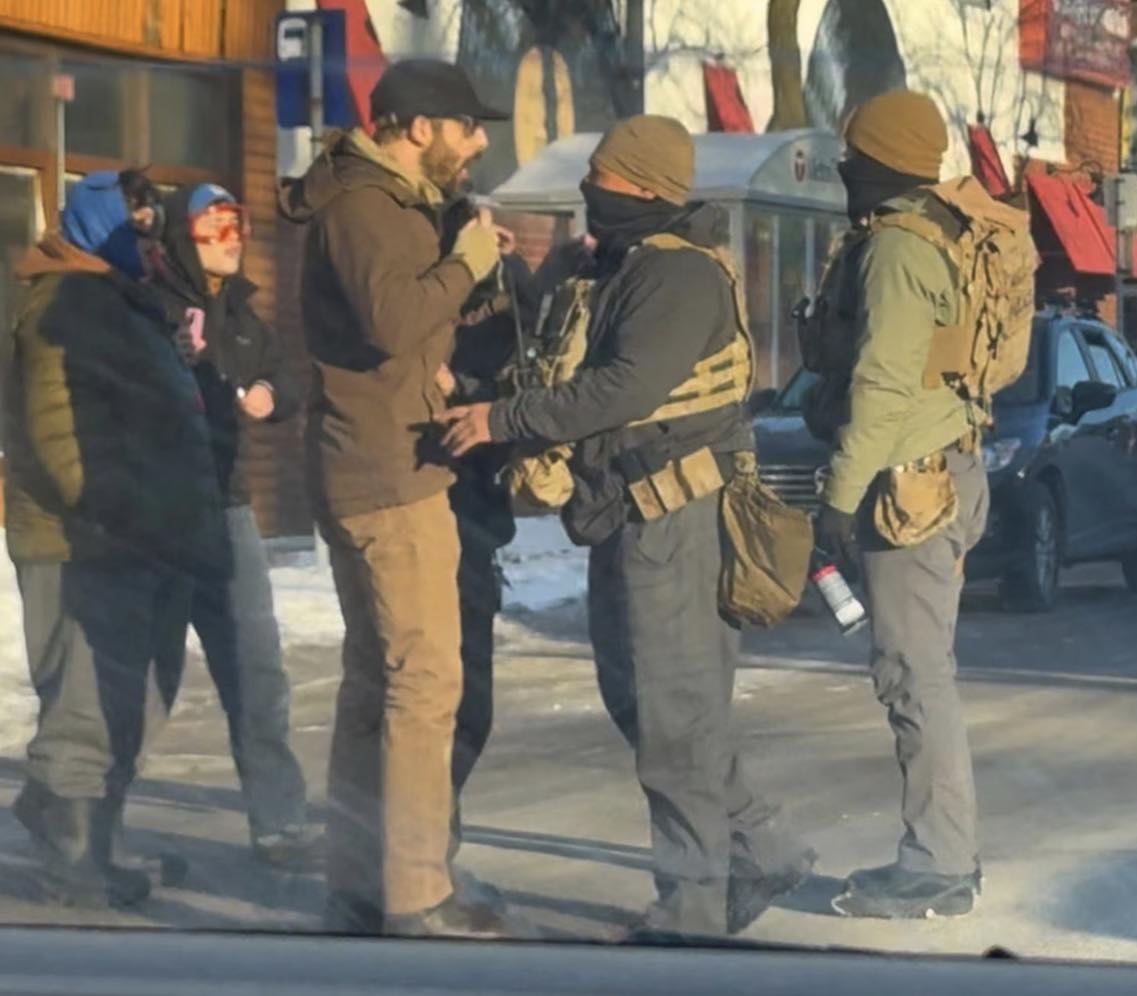
In a scene that has deeply rattled communities across Minnesota and the nation, ICU Nurse Alex Pretti Fatal Shooting occurred on January 24, 2026, after the 37-year-old Veterans Affairs intensive care nurse was fatally shot by federal agents in downtown Minneapolis an incident that has thrust questions about law enforcement tactics and civil liberties into the national spotlight within hours.
A Life of Service Cut Tragically Short
Alex Jeffrey Pretti, a dedicated ICU nurse at the Minneapolis VA Health Care System, was known by colleagues and loved ones as a compassionate caregiver whose life revolved around helping others from critically ill veterans in his hospital wards to strangers in the community. Friends described him as warm, gentle, and deeply committed to public service, qualities that his coworkers say made him uniquely suited to the high-stress world of intensive care medicine.
Pretti had earned his nursing license after earlier work as a research scientist and was widely respected for his clinical skills and empathy. He worked alongside physicians and fellow nurses who remember him as someone who always had a calm presence and a ready smile, even on the toughest shifts.
What Happened in Minneapolis
According to federal authorities, Pretti was shot by a U.S. Border Patrol agent part of a broader federal law-enforcement operation in the city after officials allege he approached officers during a heightened enforcement action. Law enforcement has characterized the encounter as involving resistance and a threat, though these details remain under scrutiny as investigations continue.
Pretti’s family and several eyewitness accounts dispute the official narrative, indicating that he was peaceful and had not provoked officers before the fatal shots were fired. Investigators and local leaders are now calling for a thorough and transparent review of body-camera footage and other evidence from the scene.
Outrage and Protest Erupt
News of the ICU Nurse Alex Pretti Fatal Shooting spread quickly, sparking immediate demonstrations and public outrage both locally and far beyond Minneapolis. Protesters have taken to city streets demanding answers and accountability, insisting on clarity about how an American healthcare worker with no violent criminal history came to be killed in such a confrontation.
Organizers and community advocates have condemned the use of lethal force in predominantly peaceful civic spaces, arguing the tragedy highlights broader issues with federal enforcement strategies in urban communities.
Family Reaction: Heartbreak and Anger
Pretti’s family described their son not as a threat but as a devoted nurse and community member who cared deeply about injustices in society including immigration policy and its human impacts. They say they are devastated by the loss and outraged by what they see as a mischaracterization of his actions in the moments leading up to the shooting.
Their statements emphasize Pretti’s deep empathy, his love for helping others, and his desire to make a difference in the world, making the manner of his death all the more heartbreaking to loved ones and colleagues alike.
A Broader Pattern and Legal Ramifications
This incident marks yet another controversial use of force by federal agents in Minneapolis and has intensified scrutiny on federal enforcement operations in the wake of increased immigration-related activity in the region. Local officials, legal experts, and civil liberties advocates are now assessing whether current protocols protect the rights and safety of civilians when law enforcement is engaged in complex operations.

Calls for justice and accountability have grown louder, with community leaders and elected officials demanding independent review and answers about the decisions that led to this tragedy.
Remembering Alex Pretti
As Minnesota and the nation grapple with the fallout, many are reflecting on Pretti’s life and the profound loss his death represents. For patients he cared for, colleagues who depended on him, and friends who admired his quiet strength, his death is more than a headline it’s a personal loss that underscores the fragility of life and the urgency of clear and humane public policy.
In workplaces, online memorials, and protest lines, the memory of a nurse who chose healing and compassion continues to resonate, reminding many why communities are demanding truth and reform in the wake of this preventable tragedy.
