

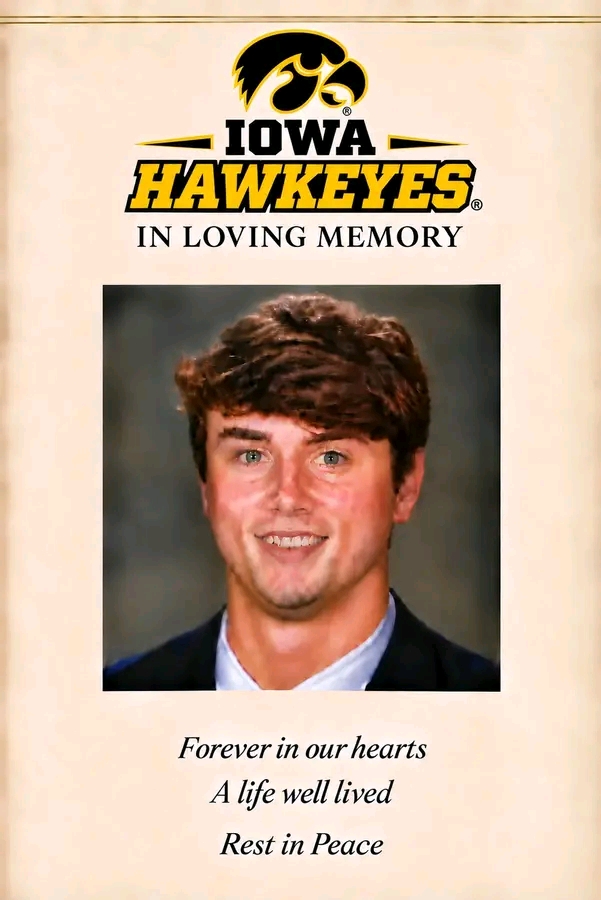
A Life Remembered: Former Wisconsin Football Player Jack Pugh Dies at 24
The college football community is mourning Jack Pugh, a former University of Wisconsin tight end whose decision to leave the sport in 2023 drew attention to mental health. Pugh died on March 30, 2026, at 24. Wisconsin Athletics announced his passing and remembered him as a caring person who made a lasting impression on teammates and staff.
For many who followed his journey, Pugh’s story was about more than football. He arrived in Madison as a highly regarded recruit with the opportunity to build a future in college athletics. Yet, as time went on, he faced personal challenges that made continuing in the game increasingly difficult. In December 2023, he publicly explained that he had medically retired, choosing to put his well-being ahead of his playing career.
Pugh joined the Badgers as part of the 2021 recruiting class. A native of the Columbus, Ohio, area, he came to Wisconsin with promise and enthusiasm. He redshirted during his first season and appeared in one game in 2022, earning Academic All-Big Ten recognition that year. Although his on-field opportunities were limited, his connection to the program continued beyond the statistics recorded in a box score.
His decision to leave football was not made lightly. In a December 2023 message, Pugh spoke about years of depression and substance abuse. He said his physical health had also raised concerns, but his mental health was the main reason he retired. He wanted the chance to build a healthier life and find happiness.
Pugh also made an important distinction in that statement: he did not blame football for the difficulties he had experienced. Instead, he described how the demands and distractions in his life had contributed to him putting off the care he needed. By speaking honestly about those struggles, he offered a glimpse into a side of college athletics that is not always visible to fans.
The decision resonated because athletes are often celebrated for toughness and the ability to push through adversity. Pugh’s experience highlighted another kind of courage: recognizing when it is time to step back and choose a different path. A person’s value cannot be measured by playing time, statistics or the expectations attached to a promising career.
Wisconsin’s response reflected the affection people within the program felt for him. The athletics department described Pugh as a positive light who brought genuine spirit to the team. It said he cared about people and was loved by teammates and staff. The tribute focused not only on his football career, but on the person they knew.
Pugh’s life after football included a significant milestone. He earned his degree from the University of Wisconsin–Madison in 2025, continuing his connection to the university after his playing days ended. Graduation was an achievement beyond sport and part of the life he was building. It showed his ambitions and identity extended well beyond the field and the role of an athlete.
News of his death has prompted reflection among college football supporters about the pressures student-athletes can face. Leaving competitive sports can be difficult when routines, identity and future plans have been tied to athletics. Pugh’s openness underscored why conversations about support and mental health matter.
It is important, too, to remember that no single public statement can tell the full story of a person’s life. Pugh was more than the challenges he described and more than the football career he left behind. He was a son, a friend, a teammate and a graduate whose life mattered to the people who knew and loved him.
As tributes continue, the college football community’s thoughts are with Pugh’s family, friends, former teammates and everyone affected by his passing. His time with Wisconsin may have been brief on the field, but the program’s words speak to the connections he made away from it.
Jack Pugh’s story leaves behind a sobering reminder: athletes deserve support as whole people, not simply as performers. His decision to prioritize his health took strength, and his willingness to speak about his experience may encourage others to take their own struggles seriously. He will be remembered by those who knew him for far more than the game he once played.
