

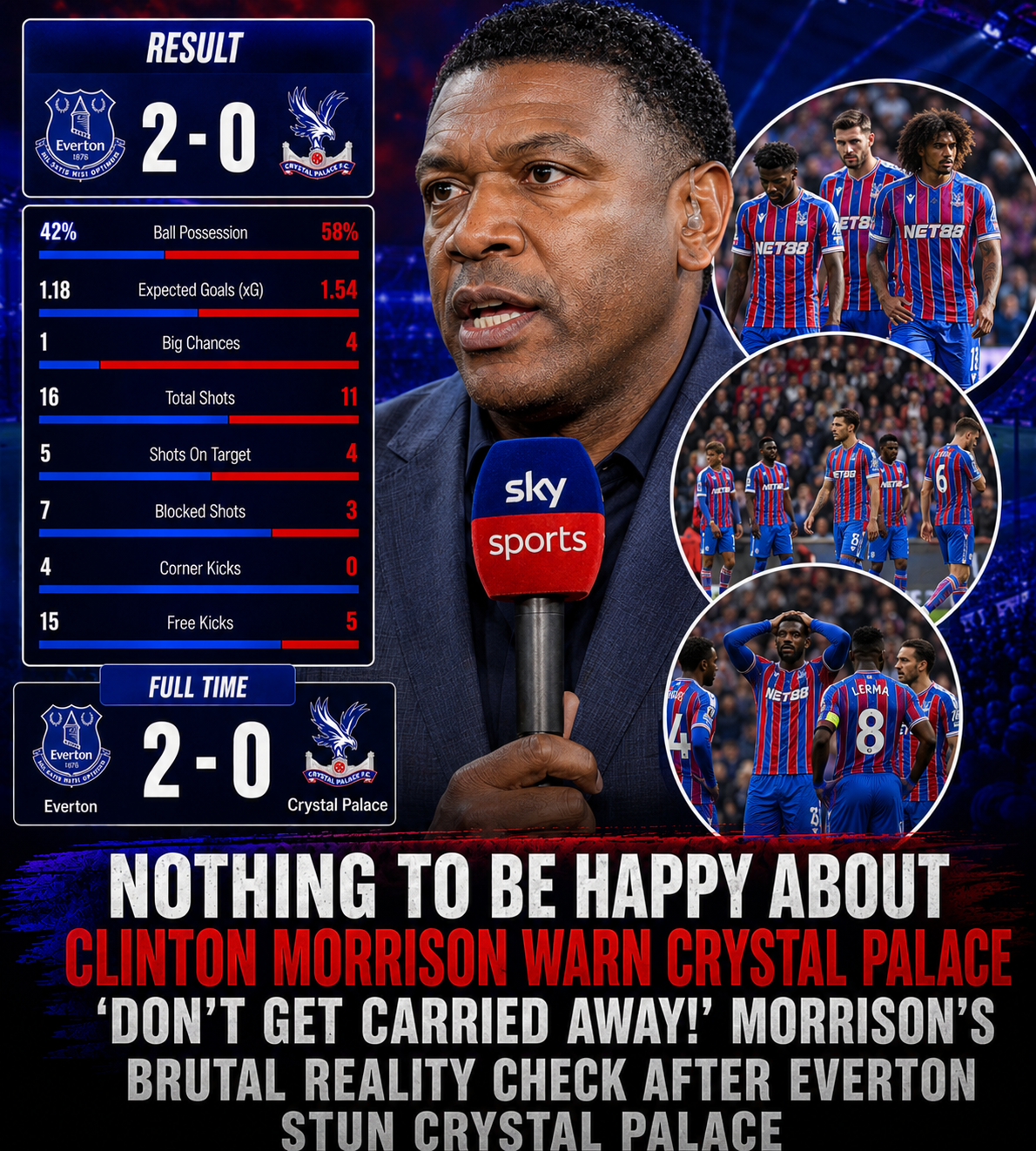
Crystal Palace’s 2–0 defeat to Everton has already raised an uncomfortable question for Pierre Sage: was the result merely a bad afternoon, or did it expose problems that could become much harder to fix?
The Eagles left the pitch without a goal despite controlling 58 percent possession and creating four big chances. Everton, by comparison, had 42 percent of the ball and one big chance, yet Kiernan Dewsbury-Hall and Thierno Barry made the difference when it mattered most.
For Palace supporters, the frustration is understandable. Their side had enough opportunities to change the contest, but Eddie Nketiah, Jean-Philippe Mateta and the attacking group couldn’t turn those openings into the finish that would have put Everton under pressure.
The first major setback arrived when Daniel Muñoz was involved in the mistake that helped Everton break the deadlock. It was the kind of moment that can completely change a match, particularly when the opposition is protecting a lead.
Dewsbury-Hall took advantage, putting Everton ahead before Barry added a second goal after the break. Suddenly, Palace were chasing a match they had seemed capable of controlling, and every missed opportunity from earlier in the afternoon looked even more costly.
That contrast is what makes the defeat so difficult for Palace to swallow. The Eagles registered 11 shots and four on target, while Everton produced 16 attempts and five on target, so Palace weren’t simply camped inside their own half. They had openings, but couldn’t produce the decisive moment.
Nketiah and Mateta will inevitably attract attention because goals are ultimately what determine whether pressure becomes points. Neither striker can be blamed for every miss, but Palace need their forwards to be ruthless when chances arrive.
Muñoz, meanwhile, faces a different kind of scrutiny. Defensive errors are magnified when they directly contribute to a goal, and his involvement in Everton’s opener has placed his performance under the spotlight. One mistake doesn’t define a player, but Palace can’t afford a pattern of avoidable errors if they want to turn promising performances into results.
The reaction from supporters has reflected that frustration. Calls to drop players, questions over the finishing and demands for a stronger response have appeared alongside criticism of Sage’s decisions. Some fans have questioned why certain players continue receiving opportunities.
Sage now has a delicate task. A new manager needs time to establish his methods, but defeats can quickly create pressure when supporters believe the team is leaving points on the table. The Palace boss must preserve the positives while correcting the mistakes that handed Everton control.
There were positives hidden inside the result. Palace’s 58 percent possession and four big chances suggest they weren’t completely outplayed, and the team showed enough attacking intent. The problem was that intent never became goals, while Everton were more clinical with the moments that came their way.
That is the lesson Palace must take forward. Possession doesn’t win matches by itself, and chances mean little if nobody applies the finishing touch. Against Everton, Palace had opportunities to make the afternoon very different, but the final score tells a brutal story: zero goals for the visitors and two for the hosts.
For Sage, the challenge is now about response rather than panic. He must decide whether changes are needed in attack, defence or both, while ensuring one disappointing result doesn’t erase confidence.
For the players, the answer is even simpler. The next match offers a chance to turn criticism into positivity. That response matters because Palace cannot afford another afternoon like this. Nketiah and Mateta can respond by finding the net, Muñoz can answer his critics with a composed defensive display, and the entire Palace team can show that the Everton defeat was an isolated setback rather than a worrying trend.
Everton deserve credit for taking their chances, but Palace will know they contributed to their own downfall. With 58 percent possession and four big chances, there was enough evidence that a result was available.
Instead, Dewsbury-Hall and Barry walked away with the goals, while Palace were left with questions. For Sage and his players, the next performance won’t simply be about winning; it will be about proving that this defeat has been understood, addressed and learned from.
