


A major announcement from Iowa Hawkeyes legend Chuck Long and his wife, Lisa Long, is putting a deeply personal issue in the spotlight and giving the former quarterback a new mission. The couple is preparing a long-term charitable initiative aimed at helping athletes, families and younger competitors confront the challenges surrounding brain health and sports-related head injuries.
The proposed initiative is expected to support former players dealing with the effects that can remain long after their playing days are over. It will also provide education, information and practical resources for athletes and families trying to understand concussions, repeated impacts and longer-term neurological concerns.
That makes the project significant for Iowa supporters who remember Long as one of the program’s defining quarterbacks. His leadership, toughness, accuracy and competitive edge helped make him one of the most respected figures in Hawkeyes history, but this effort is focused on what happens after the stadium empties and the applause disappears.
At the heart of the plan is a simple idea: athletes shouldn’t have to navigate complicated health concerns alone. The fund is designed to connect former players with resources while giving younger athletes information about prevention, warning signs and the importance of reporting symptoms.
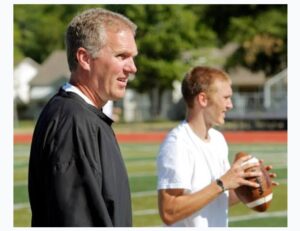
The education component could prove particularly valuable for families. Parents and young athletes often have difficult questions after a head injury, and knowing what to ask medical professionals can make uncertainty easier to navigate. The Longs’ vision places understandable information and early education at the center of that process.
Just as importantly, Lisa Long’s involvement brings attention to the people around an athlete. Spouses, parents, children, partners and caregivers can experience the consequences of an athlete’s health problems themselves, often while trying to provide support without fully understanding what is happening.

The initiative is therefore expected to create family-focused education sessions and support opportunities. These programs would help loved ones communicate, cope with uncertainty and find resources when brain-health concerns affect everyday life.
The project also looks beyond former players. Mentoring programs are expected to connect younger athletes with experienced former competitors who can discuss preparation, recovery, responsibility and life after sports. The message isn’t that young people should avoid football; it’s that they should understand the risks, take symptoms seriously and protect their long-term future health.
That distinction matters. In competitive sports, athletes can sometimes feel pressure to play through discomfort because they don’t want to disappoint teammates or appear weak. Hearing directly from former players who understand that environment could help younger competitors recognize that speaking up about symptoms is an act of responsibility, not a lack of toughness.
Community events are another planned part of the initiative. Regular community nights could bring former athletes, families, coaches, medical professionals and fans together for educational conversations, personal stories, workshops, mentorship opportunities and access to resources.

For Iowa fans, that approach fits naturally with the culture surrounding the Hawkeyes. The program has always placed enormous value on tradition, loyalty and connections between generations, and Long is now looking to use the influence built during his playing career for a purpose that extends well beyond football wins and records.
Supporters have praised the concept, particularly its emphasis on families. A former athlete may be the person experiencing symptoms, but a spouse might be losing sleep, a parent could be searching for answers, and children may struggle to understand changes in someone they love.
That broader perspective may ultimately become the initiative’s most powerful feature. Brain-health challenges don’t stop with the individual athlete, and neither should the support system.
Long’s football achievements will remain an important part of Iowa history. Yet records eventually fall, statistics become part of old scorebooks and new stars take the field every season.
Helping former players find guidance, giving families somewhere to turn and teaching young athletes to think seriously about their futures could create a legacy measured in decades instead of seasons. For a Hawkeyes legend whose name is already firmly attached to Iowa football history, this may become one of his most meaningful contributions yet.
Sometimes, the biggest impact from a sports career begins after the final whistle.
